
The Speed of Thought
2011
No user ratings available yet
Representation score: 4.0 out of 10
Representation Score
Good
2003
TV-PGDirector
Breck Eisner
Runtime
86 minutes
Average Rating
No ratings yetNew Showbiz Analysis
Thoughtcrimes functions primarily as a critique of systemic surveillance and institutional control. It uses the protagonist's telepathic abilities to explore the tension between individual autonomy and state interests. The film's strength lies in its subversion of psychological clichés. By reframing a mental health crisis as a superhuman gift, it moves away from traditional depictions of vulnerability toward a narrative of reclaimed power. However, the film lacks visible demographic diversity. While the thematic architecture is progressive regarding neurodivergence and institutional skepticism, the specific representation of race and sexual orientation remains unconfirmed.
Category Breakdown
The film does not explicitly mention LGBTQ+ characters or themes. Although telepathy could provide a conceptual space for exploring non-straight identities, there is no specific representation of LGBTQ+ characters.
Freya McAllister holds a position of significant cognitive power. The story challenges the 'hysterical female' cliché by turning perceived mental instability into a actively leading, specialized skill.
The narrative focuses on psychological and institutional conflicts. There is no clear indication of a diverse or non-Anglo-Saxon majority cast within the available synopsis.
The film critiques Western institutional structures by portraying the NSA as a deceptive force. It adopts a skeptical stance toward traditional pillars of national security and authority.
The story engages with neurodivergence through a lens of empowerment. It recontextualizes perceived mental illness as a unique capability rather than a deficit to be cured.
Present on Screen
Limited or Absent
Official Synopsis
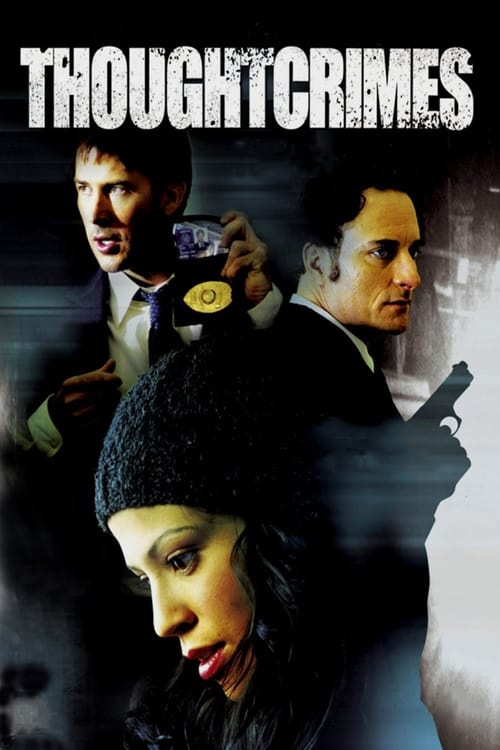
Freya McAllister suddenly starts hearing voices in her head on the night of her High School Prom. One night Dr Michael Welles arrives telling Freya that she isn't crazy but that her voices are the thoughts of everyone around her. He teaches her to turn her telepathic powers into a powerful gift. What he doesn't say is that he works for the National Security Agency...
2011

1978

2015

1984

2017

1981

2007

2009
No reviews yet. Be the first to share your thoughts on this movie!
Use the rating form above to leave a star rating and optional review.