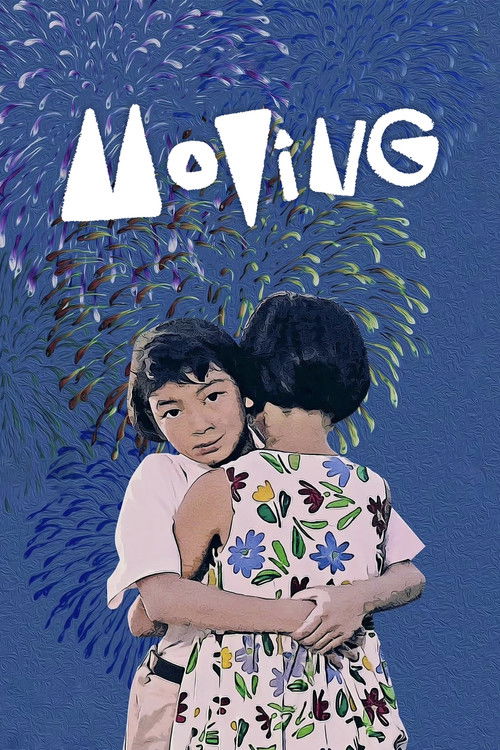
Moving
1993
No user ratings available yet
Diversity score: 5.7 out of 10

1985
Director
Shinji Sōmai
Runtime
115 minutes
Average Rating
No ratings yetSynopsis
Offering a caustic immersion into the lives of disaffected junior high students on the cusp of adulthood, the film takes place over the 5-day period before, during, and after a ferocious, seemingly liberating typhoon, which six of the students endure while marooned in their school.
Overall Score
Fair
Category Breakdown
LGBTQ+ Representation
The film explores the burgeoning complexities of adolescent sexuality and identity. While it lacks explicit queer narratives, it disrupts heteronormative expectations through depictions of confusion and fluid social dynamics.
Gender Representation
Gender hierarchies are subverted by focusing on raw, uninhibited interactions between boys and girls. Social power is derived from peer standing rather than traditional masculine or feminine archetypes.
Racial & Ethnic Diversity
The cast is culturally homogeneous, reflecting the specific Japanese coastal setting. The narrative prioritizes local cultural authenticity over the inclusion of diverse ethnic identities.
Religious & Cultural Diversity
The film excels at deconstructing institutional authority and traditional social conditioning. It frames the breakdown of school discipline as a form of liberation for the disaffected students.
Disability Representation
There is no significant evidence of characters with visible or invisible disabilities driving the story. The narrative focus remains on the collective psychological state of the student body.
Strengths
Areas for Improvement
AI Analysis
Shinji Sōmai’s work offers a naturalistic study of social disruption during the transition to adulthood. The film succeeds by refusing to moralize the chaotic, anti-social behaviors of its protagonists, instead treating their defiance of institutional norms as a visceral human experience. However, the film is limited by its specific historical and geographical grounding. The lack of racial and disability representation results in lower scores, as the narrative is deeply rooted in a homogeneous Japanese milieu. Ultimately, the film finds its strength in subverting traditional authority and presenting a nuanced view of gendered social dynamics through the lens of adolescent agency.
1993

1994

2002

1997

2008

1997

1959

2014
2015

2017

2019
1986
No reviews yet. Be the first to share your thoughts on this movie!
Use the rating form above to leave a star rating and optional review.