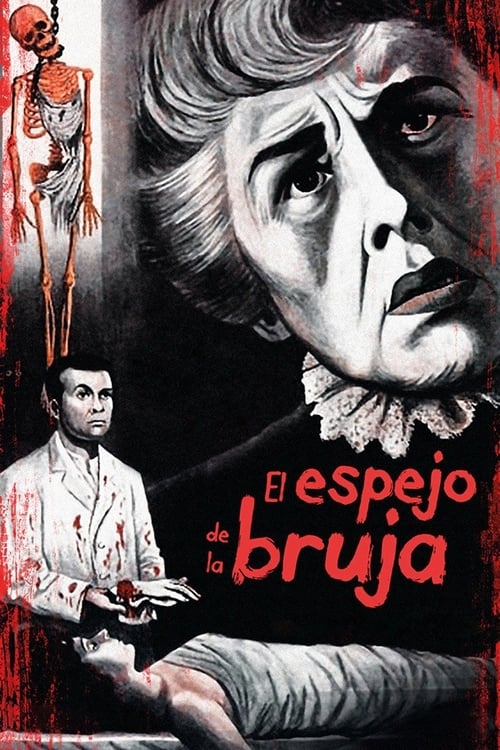
The Witch's Mirror
1962
No user ratings available yet
Diversity score: 2.8 out of 10
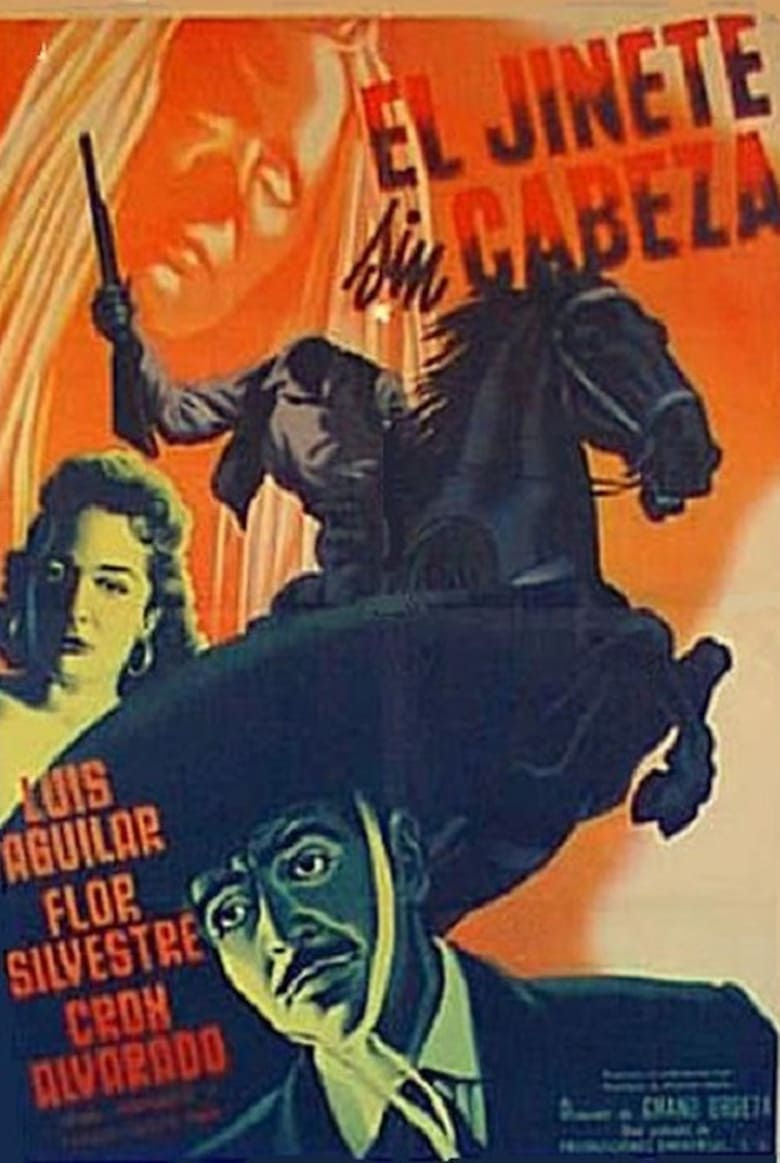
1957
Director
Chano Urueta
Runtime
91 minutes
Average Rating
No ratings yetSynopsis
A mute phantom hero takes on skull-masked killers, a disembodied living hand and a corpse that won't stay in its grave. This is the first in a trilogy of horror/western hybrids that also includes the films La marca de Satanás ("The Mark of Satan") and La cabeza de Pancho Villa ("The Head of Pancho Villa").
Overall Score
Limited
Category Breakdown
LGBTQ+ Representation
The film operates within traditional mid-century sexual frameworks. There is no evidence of LGBTQ+ characters or non-heteronormative narratives within the story.
Gender Representation
The narrative centers on masculine archetypes, specifically a mute phantom hero. This focus on masculine agency reinforces traditional gender hierarchies common to the Western genre.
Racial & Ethnic Diversity
As a Mexican production, the film disrupts Anglo-centric Western tropes. It utilizes regional cultural motifs and local landscapes to offer a non-Western perspective on the outlaw archetype.
Religious & Cultural Diversity
The film employs supernatural horror and folklore to explore spiritual ambiguity. However, these elements largely serve traditional morality tales rather than systemic critiques.
Disability Representation
The protagonist's muteness serves as a narrative device to heighten mystery. This portrayal functions as a character trait for the phantom persona rather than a nuanced exploration of disability.
Strengths
Areas for Improvement
AI Analysis
The film's primary strength is its cultural origin. By emerging from the Golden Age of Mexican cinema, it provides a vital counter-narrative to the Hollywood-dominated Western genre through its unique mythic structures. However, the film remains deeply rooted in the social limitations of 1957. It relies on traditional gender roles and uses disability as a stylistic tool for mystery rather than providing meaningful representation. Ultimately, while it offers a distinct regional perspective, it lacks the intersectional complexity needed to subvert the social hierarchies of its era.
No reviews yet. Be the first to share your thoughts on this movie!
Use the rating form above to leave a star rating and optional review.