
Sparrows Are Birds Too
1968
No user ratings available yet
Representation score: 4.7 out of 10
Representation Score
Fair
1969
Director
Radivoje 'Lola' Đukić
Runtime
85 minutes
Average Rating
No ratings yetNew Showbiz Analysis
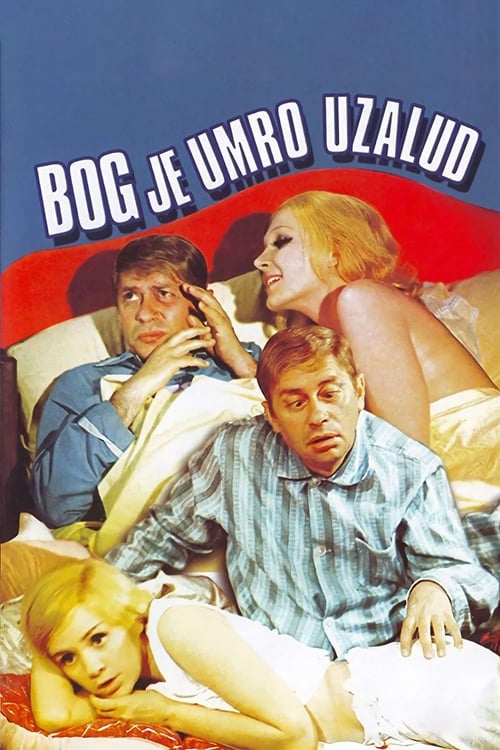
God Died in Vain is a social satire that finds its strength in its ideological depth. By pitting a struggling carpenter against a successful executive, the film examines the friction between labor and institutional power. While the film excels in its critique of wealth accumulation and class stratification, it remains limited by the social norms of its era. The narrative is heavily centered on masculine archetypes of leadership and labor, leaving little room for gender or queer visibility. Ultimately, the film serves as a window into the socialist-era Balkan social fabric. It prioritizes class identity and collective activism, offering a robust commentary on systemic structures, even while lacking modern diversity benchmarks.
Category Breakdown
The film does not include any explicit LGBTQ+ characters or narratives that challenge straight-centered assumptions. The story focuses mainly on the fraternal bond and class conflict between the twin brothers.
The narrative centers on male-dominated roles such as union leadership and corporate executives. Prominent female protagonists or detailed women's ability to drive the story are notably absent.
Set within the Yugoslav cinematic tradition, the film reflects the diverse Balkan social fabric typical of the era's socialist realism. It operates within a multi-ethnic socialist framework.
The film offers a sophisticated critique of institutional power and capitalist hierarchies. It prioritizes collective struggle and secular, materialist social concerns over individualist meritocracy.
There are no visible or invisible disabilities portrayed in the available synopsis. No data exists to assess representation in this category.
Present on Screen
Limited or Absent
Official Synopsis
A trademark comedy by well known Yugoslav writer Radivoje 'Lola' Djukic. Nenad and Predrag are twin brothers. Nenad is the poor carpenter who works in the factory with deep financial problems, and he is one of the union leaders. On the other hand, his twin brother Predrag is the successful executive of a large socialist company, and he enjoys all the benefits of his position. As Predrag's company refuses to give a loan to Nenad's factory, Nenad decides to kidnap his twin brother with his union mates and to take his place in order to get the credit. But in the process, their plan has been unexpectedly changed.
1968

1967

1980
1967

1969
1964

2002
1964
No reviews yet. Be the first to share your thoughts on this movie!
Use the rating form above to leave a star rating and optional review.