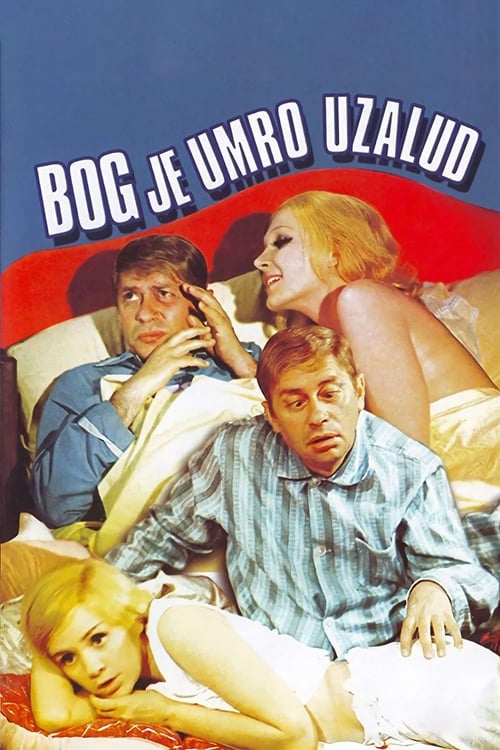
God Died in Vain
1969
No user ratings available yet
Representation score: 4.9 out of 10

Representation Score
Fair
1968
Director
György Hintsch
Runtime
80 minutes
Average Rating
No ratings yetNew Showbiz Analysis
Sparrows Are Birds Too is a mid-century social comedy that focuses on class issues rather than modern multi-layered identities. The film uses a mistaken identity plot with twins to explore how wealth affects human connections and social standing. While the film effectively critiques the value of wealth, it stays within the traditional narrative limits of the 1960s. It does not include contemporary representations of race, disability, or sexual orientation. The film’s strength lies in its geopolitical and socioeconomic commentary rather than its diversity of identity.
Category Breakdown
The film does not include any explicit LGBTQ+ characters or stories that challenge the idea that everyone is straight or cisgender. Instead, it focuses on a heterosexual relationship involving Szöszi.
The main plot revolves around a female character whose role in the story is connected to the economic status of the brothers. This reflects traditional romantic ideas from that time period.
The story focuses on Hungarian nationality and social class rather than exploring different races or ethnicities. It looks at the differences between local residents and foreigners.
The film strongly criticizes capitalist systems and wealth. It shows how social perceptions can be distorted by money and class hierarchies.
There are no characters with visible or invisible disabilities mentioned in the story.
Present on Screen
Limited or Absent
Official Synopsis
A comedy about two twin brothers - Sándor, who emigrated and became a rich man, and Zoltán, who stayed in Hungary and lives the life of an average working-class man. When Sándor visits his twin brother, they are constantly mistaken for each other, and when Zoltán sees how differently people treat Sándor because of his money and his foreign citizenship, he begins to like being mistaken for him - until he realizes that this means he will lose his girlfriend Szöszi...
1969
1988
1967
1967
1978
1940

1964

1983
No reviews yet. Be the first to share your thoughts on this movie!
Use the rating form above to leave a star rating and optional review.