
My Friend Bernard
2007
No user ratings available yet
Representation score: 6.5 out of 10
Representation Score
Good
2014
Director
Hiroyasu Ishida
Runtime
3 minutes
Average Rating
No ratings yetNew Showbiz Analysis
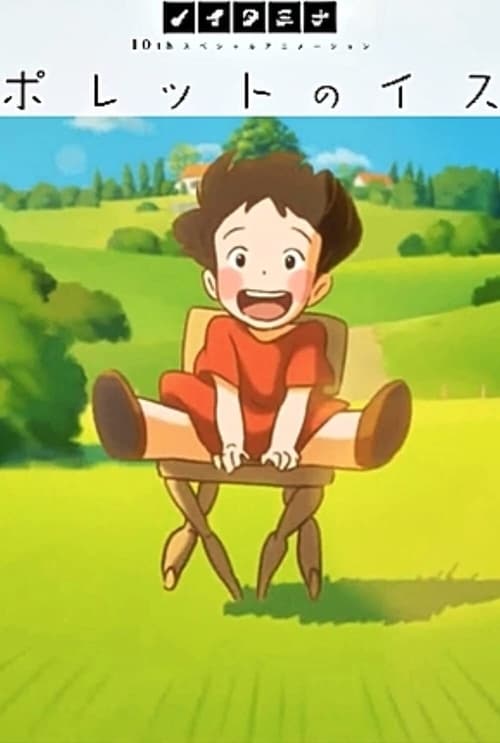
Paulette's Chair is a character-driven story focusing on emotional empowerment and moving from isolation to community involvement. The film uses magical realism to turn a household object into a tool for social change. By allowing Paulette to take charge of her own journey, the film avoids treating her shyness as a problem to be solved by others. Instead, she faces challenges and grows through her own experiences. However, the film remains culturally specific and doesn't explicitly represent diverse identities or multicultural themes.
Category Breakdown
The film doesn't show any non-straight relationships or intimate moments between LGBTQ+ characters. Instead, it focuses on a childhood experience related to social anxiety.
Paulette is a strong female lead who shows emotional strength and bravery. She challenges the idea of girls being passive by actively facing challenges.
The movie is set in Japan and doesn't have a visibly multicultural cast. It represents a local perspective typical of Japanese animation.
The story emphasizes personal growth and breaking down social barriers rather than following strict religious rules. It focuses on a personal emotional journey.
Paulette's extreme shyness can be understood as a form of social processing linked to neurodivergence. She overcomes her internal struggles through unique experiences.
Present on Screen
Limited or Absent
Official Synopsis
Paulette plays in the back yard, in the shade of a tall tree, with her doll, somewhere out in the countryside. Secretly watching other children have fun without her makes her sad. Then suddenly the wooden chair she is sitting on begins to move, and throws her off. She bravely gets on the chair again, which starts to buck like a wild horse, making her very happy. Racing through the countryside, the chair then throws her off, right into the middle of the group of playing children, helping her overcome her shyness.
2007
2017
2012

2011

2011

2008
2014
2013
No reviews yet. Be the first to share your thoughts on this movie!
Use the rating form above to leave a star rating and optional review.