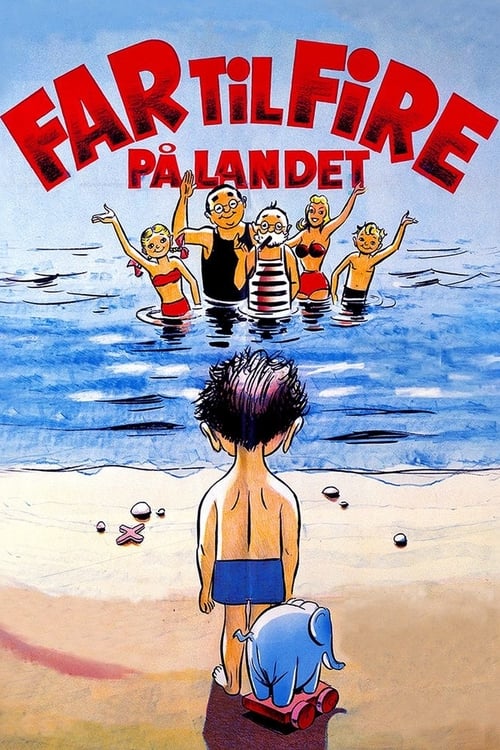
Father of Four: In the Countryside
1955
No user ratings available yet
Representation score: 0.3 out of 10

Representation Score
Minimal
1959
Not RatedDirector
Alice O'Fredericks
Runtime
100 minutes
Average Rating
No ratings yetNew Showbiz Analysis
Alice O'Fredericks' film is a period-specific work that upholds social stability and traditional values. It celebrates mid-century domestic life without challenging contemporary issues. The narrative structure reinforces the cultural norms of 1959, avoiding multi-layered identities or systemic critiques. Instead, it presents a wholesome, conventional view of family life.
Category Breakdown
The film follows a strict assumption that everyone is straight or cisgender. There are no depictions of LGBTQ+ identities or same-sex relationships.
The story is set in a traditional mid-century society where men hold positions of authority. While Tiny Per shows resourcefulness, the father and uncle serve as the main stabilizing figures.
The cast is very uniform, reflecting the demographics of 1950s Denmark. There are no non-white characters or racial diversity.
The story highlights traditional Western values and middle-class lifestyles. It emphasizes the importance of family unity and social order.
There are no prominent depictions of visible or invisible disabilities. Characters operate within a normal range of physical and cognitive abilities.
Present on Screen
Limited or Absent
Official Synopsis
The popular Danish family are vacationing on the island of Bornholm. Unfortunately, they have not been able to get hotel rooms, but Tiny Per, always resourceful, have come up with the idea that they must sleep in a tent. Father and Uncle Anders are not quite enthusiastic about the idea, but there is nothing else to do.
1955
2014
1954
2011
1967
2014
1965
1958
No reviews yet. Be the first to share your thoughts on this movie!
Use the rating form above to leave a star rating and optional review.