
Parambarai
1996
No user ratings available yet
Representation score: 0.3 out of 10
Representation Score
Minimal
2005
Director
Muppalaneni Shiva
Runtime
158 minutes
Average Rating
No ratings yetNew Showbiz Analysis
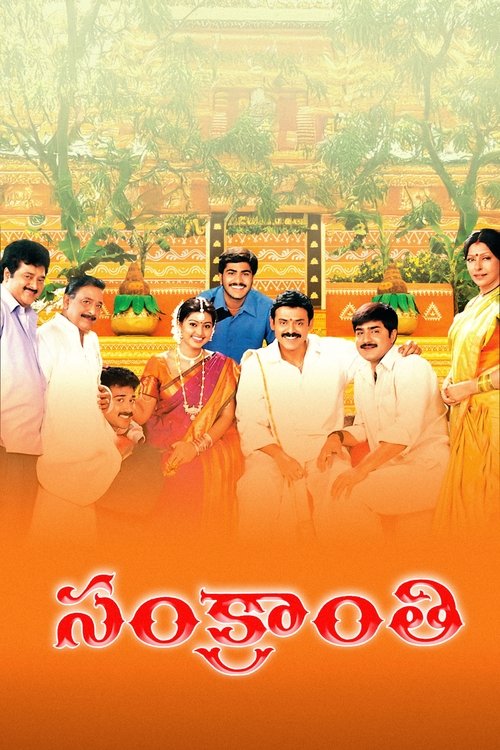
Sankranthi opens with a stylized ensemble of four handsome brothers, immediately selling a vision of male camaraderie as the film’s true protagonist. The camera lingers on their colorful costumes and group dynamics, positioning their bond as superior to the romantic subplots that merely orbit them. The film’s argument is straightforward: the joint family is a fortress against external chaos, and the eldest brother’s quiet competence is the glue that holds it together. When financial trouble strikes, it is Raghavendra’s secret savings, not his wife’s or his siblings’ efforts, that save the day, reinforcing the idea that male provision is the ultimate moral currency. The ending rewards this hierarchy, with the brothers reunited in a celebratory shot that frames their unity as the final, unassailable truth. While the film is a sincere, if conventional, celebration of familial bonds, it offers no challenge to the traditional structures it upholds. The women are essential but secondary, their roles defined by their relationship to the men. The film’s strength lies in its emotional warmth, but its vision is firmly rooted in a traditional, patriarchal worldview that treats the status quo as the ideal.
Category Breakdown
No queer characters, intimacy, or discussion appear in the credits, plot, or visual framing. The narrative relies entirely on heterosexual pairings as the sole romantic structure.
Men hold economic power and moral authority; women serve as emotional catalysts or domestic prizes. Raghavendra’s secret savings to pay medical bills positions him as the sole competent provider, while wives like Kalyani are framed as quarrelsome or dependent.
The cast is entirely South Asian, reflecting the film’s Telugu cultural context. No racial hierarchy or outsider dynamic is depicted; class conflict between the brothers and the rich Chowdary family is the only social stratification shown.
The joint family is the moral center, with brotherhood and parental authority treated as unassailable goods. The ending rewards unity and domestic stability, framing the patriarchal household as the ultimate source of safety and identity.
A child’s serious illness drives the plot’s financial tension, serving as a test of the brothers’ loyalty. The disability is a narrative device rather than a lived experience, resolved through the eldest brother’s financial sacrifice.
Present on Screen
Limited or Absent
Official Synopsis
Raghavendra, a provisional store owner, is the eldest among four brothers who live together with their parents Rama Chandrayya and Janakamma. As they each start their own families, problems arise in their lives.
1996

1999
2000
2006

1998

2013
1997

2017
No reviews yet. Be the first to share your thoughts on this movie!
Use the rating form above to leave a star rating and optional review.