
Eros School: Feels So Good
1977
No user ratings available yet
Representation score: 1.4 out of 10
Representation Score
Fair
1975
RDirector
Greg Corarito
Runtime
89 minutes
Average Rating
No ratings yetNew Showbiz Analysis
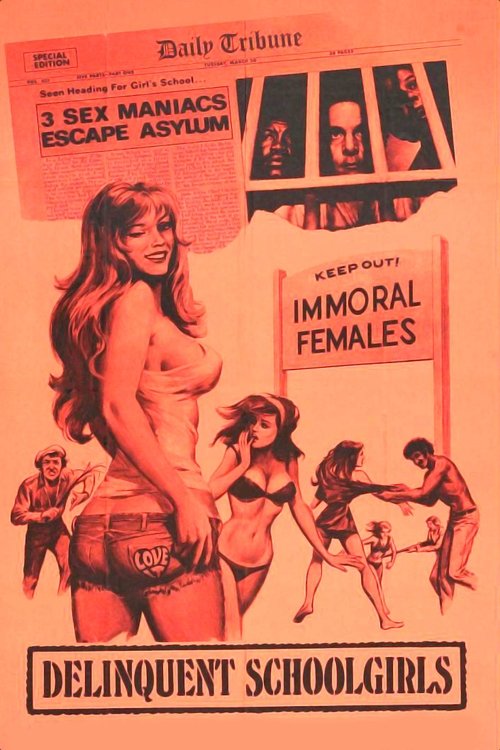
Delinquent Schoolgirls presents a mixed profile of representation. It successfully challenges traditional gender roles by empowering female characters through martial arts, giving them physical strength and ability to act. However, these positive elements are offset by harmful stereotypes. The film relies on stigmatizing depictions of mental health and lacks meaningful racial or cultural depth, adhering to the demographic norms of 1975. Ultimately, the film uses identity markers like sexuality and disability more as tools for chaos than as opportunities for nuanced character development.
Category Breakdown
The film features a gay fashion designer who is also a mental patient. This connection between LGBTQ identity and mental health may link queer identity to social deviance.
Female students are shown with significant physical strength through activities like wrestling and karate. This challenges traditional gender roles by positioning the girls as the main source of strength against the male characters.
The production lacks a diverse cast beyond Anglo-Saxon characters. The story follows the traditional demographic norms of its time without expanding racial or ethnic representation.
The story examines systemic issues within institutions such as asylums and private schools. It favors a chaotic, relativistic tone over traditional moral frameworks to drive the plot.
Characters are identified as mental patients, but their condition mainly serves as a plot device for chaos. This portrayal uses disability as a tool for disruption rather than offering nuanced character development.
Present on Screen
Limited or Absent
Official Synopsis
Three mental patients--a bad impersonator, a baseball player, and a gay fashion designer--escape their asylum and sexually assault their way into a girls' private school. The girls' education includes wrestling and karate, so the three madmen will find stern opposition they never expected.
1977

1974
1972

1966

1974
1980
1967
1977
No reviews yet. Be the first to share your thoughts on this movie!
Use the rating form above to leave a star rating and optional review.