What You Gonna Do When the World's on Fire?
2019
No user ratings available yet
Representation score: 7.3 out of 10
Representation Score
Excellent
2017
RDirector
Sabaah Folayan
Runtime
90 minutes
Average Rating
No ratings yetNew Showbiz Analysis
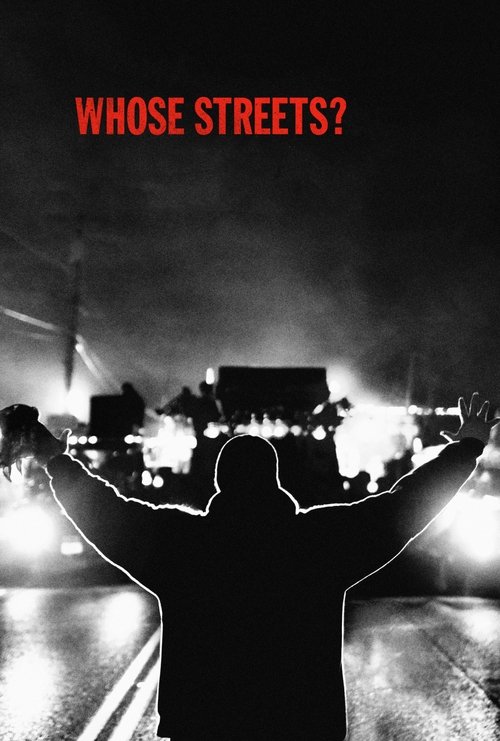
Whose Streets? is a powerful documentary that centers the lived experiences of Black activists during the Ferguson uprising. It disrupts traditional documentary hierarchies by prioritizing community ability to act over institutional perspectives. The film excels in its racial centering and its subversion of gendered leadership roles. By placing women at the forefront of strategic decision-making, it challenges conventional expectations of political authority. While the film is highly progressive in its approach, disability representation remains largely observational. However, the work remains a significant example of narrative architecture designed to disrupt dominant societal power structures.
Category Breakdown
The film includes queer individuals within the activist movement, showing the movement as a diverse coalition rather than a single entity.
Women are shown as the main organizers of community efforts and strategic decision-makers. This challenges traditional leadership stereotypes by highlighting women's active roles in political decision-making.
The documentary focuses on the nuances of Black life and self-determination, avoiding an outsider perspective and emphasizing the Black-majority viewpoint.
The film critiques Western legal and policing systems, presenting them as structures of systemic oppression rather than neutral arbiters of justice.
Disability is not a central theme, but the film observes how systemic factors like poverty and over-policing affect community well-being, avoiding the pitfalls of inspirational stories.
Present on Screen
Limited or Absent
Official Synopsis
A nonfiction account of the Ferguson uprising told by the people who lived it, this is an unflinching look at how the killing of 18-year-old Michael Brown inspired a community to fight back—and sparked a global movement.
2019
2012

2017

2013
2017
2015
2019
2015
No reviews yet. Be the first to share your thoughts on this movie!
Use the rating form above to leave a star rating and optional review.