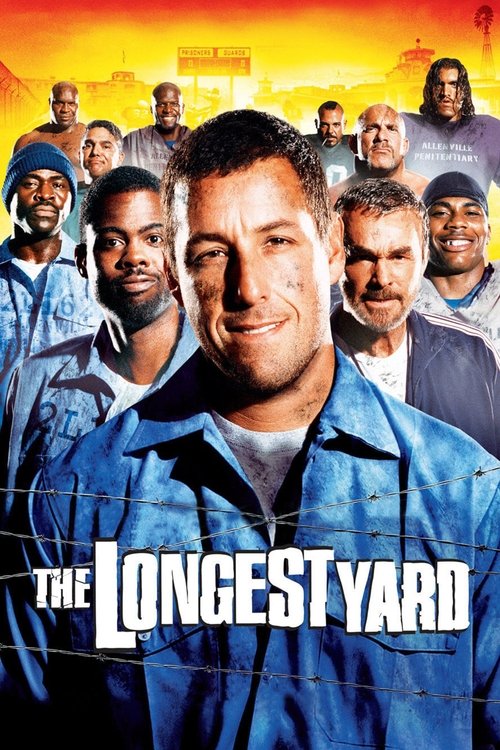
The Longest Yard
2005
No user ratings available yet
Representation score: 4.1 out of 10
Representation Score
Limited
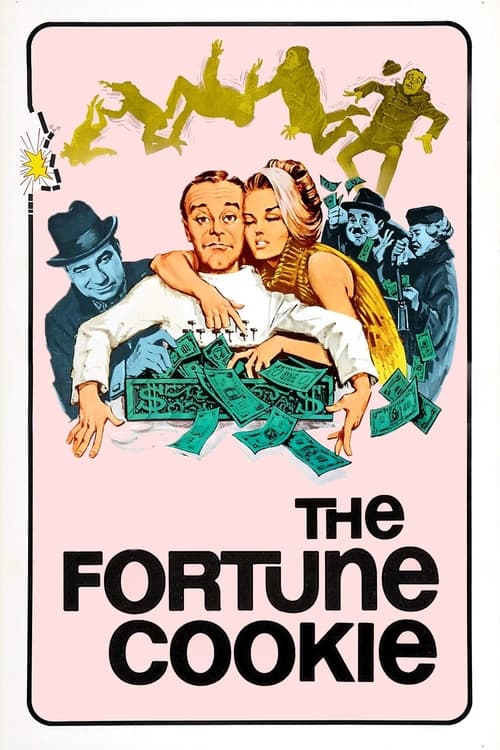
1966
NRDirector
Billy Wilder
Runtime
125 minutes
Average Rating
No ratings yetNew Showbiz Analysis
Billy Wilder’s film offers a sophisticated deconstruction of social and legal ethics. It prioritizes a cynical critique of systemic dysfunction over demographic variety, presenting a morally ambiguous view of the American Dream through litigation-driven wealth. While the film lacks representation regarding race, gender, and orientation, it achieves complexity by rejecting traditional moral certainties. It frames established institutions as targets for subversion rather than bastions of integrity. Ultimately, the work explores institutional hypocrisy, replacing conventional morality with a pragmatic, albeit deceptive, examination of how individuals navigate corrupt systemic structures.
Category Breakdown
The film adheres to a traditional framework that assumes everyone is straight or cisgender. There are no queer narratives or characters with diverse gender identities.
The story focuses on male-driven schemes and legal maneuvering. Female characters play significant roles but are often influenced by the male characters' ambitions.
The cast is predominantly white and represents a homogeneous, mid-century urban professional class. There is a noticeable lack of racial or ethnic diversity in the narrative.
The film effectively critiques Western institutions such as the legal profession. It portrays capitalist insurance structures as exploitative rather than just.
Physical injuries serve as central plot devices, but disability is used transactionally. It is portrayed as a means for litigation rather than a nuanced lived experience.
Present on Screen
Limited or Absent
Official Synopsis
TV cameraman Harry Hinkle is injured while filming a football game. Seeing big dollar signs, his unscrupulous ambulance-chasing lawyer brother-in-law Willie Gingrich enters the picture, and convinces Harry to overstate his injuries and claim $1 million in pain and suffering. Harry's similarly-minded ex-wife suddenly reappears in an attempt to rekindle their relationship.
2005
1964
1986

1969
1991

1976
1980
1964
No reviews yet. Be the first to share your thoughts on this movie!
Use the rating form above to leave a star rating and optional review.