Magoo’s Cruise
1958
No user ratings available yet
Diversity score: 3.2 out of 10

1943
Director
Paul Grimault
Runtime
9 minutes
Average Rating
No ratings yetSynopsis
A futuristic cruise ship with a crew of robots is ready to take its first flight. A boy follows his curious dog on board of the ship, but then the ship takes off. The robots sees the boy as a blind passenger and try to get him off the flying ship.
Overall Score
Limited
Category Breakdown
LGBTQ+ Representation
The film contains no evidence of non-heteronormative identities or queer narratives. The story focuses entirely on the interaction between a human boy and a mechanical crew.
Gender Representation
A young boy serves as the central protagonist. While gendered power dynamics are not explicitly detailed, the boy's struggle against a robotic collective disrupts traditional social structures.
Racial & Ethnic Diversity
The futuristic, mechanical setting obscures traditional ethnic markers. There is no information regarding the racial or ethnic composition of the characters in this work.
Religious & Cultural Diversity
The narrative functions as a critique of rigid, unfeeling systems. The boy's struggle against automated logic serves as a metaphor for resisting technocratic societal structures.
Disability Representation
The robots perceive the boy as a 'blind passenger,' suggesting a lens where difference is viewed as a systemic error. This explores the tension between perceived incapacity and actual agency.
Strengths
Areas for Improvement
AI Analysis
The film functions primarily as a philosophical fable rather than a study of social identity. It prioritizes existential themes, such as the tension between organic life and mechanical automation, over demographic representation. While the work lacks explicit intersectional identities or diverse casting, it offers a sophisticated critique of systemic inflexibility. The conflict between the boy and the robotic crew provides a narrative framework for questioning authority and rigid protocols. Ultimately, the film's value lies in its speculative architecture. It uses the struggle of a vulnerable protagonist to challenge the dominance of programmed, unfeeling systems.
1958
1952
1954
1942

1998
1945

1922
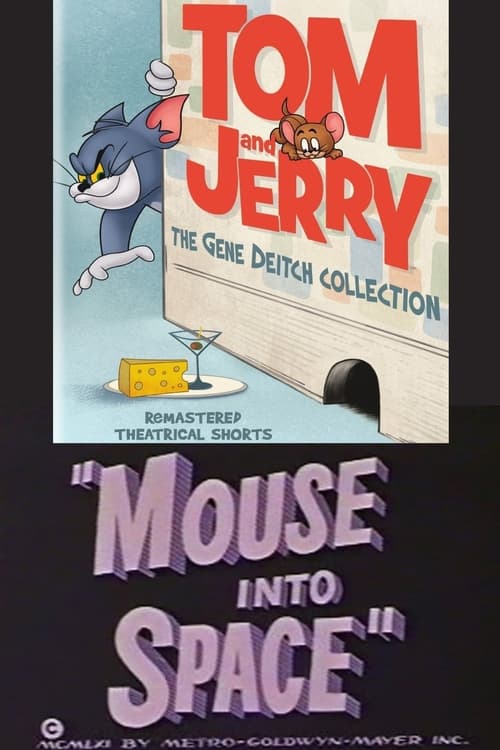
1962
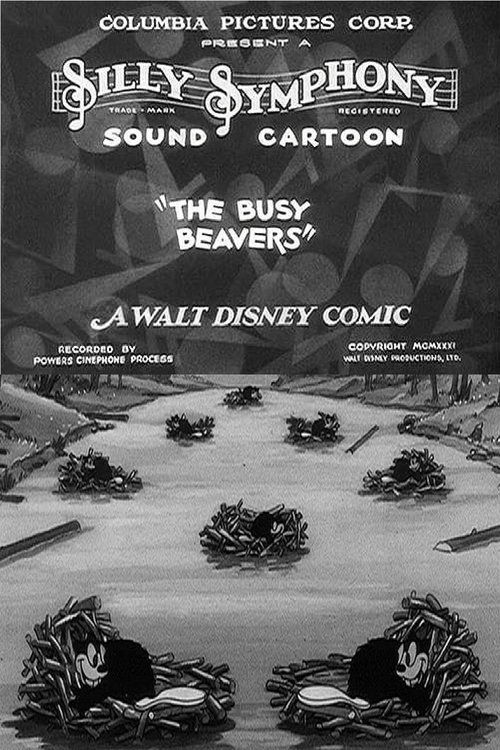
1931

1935
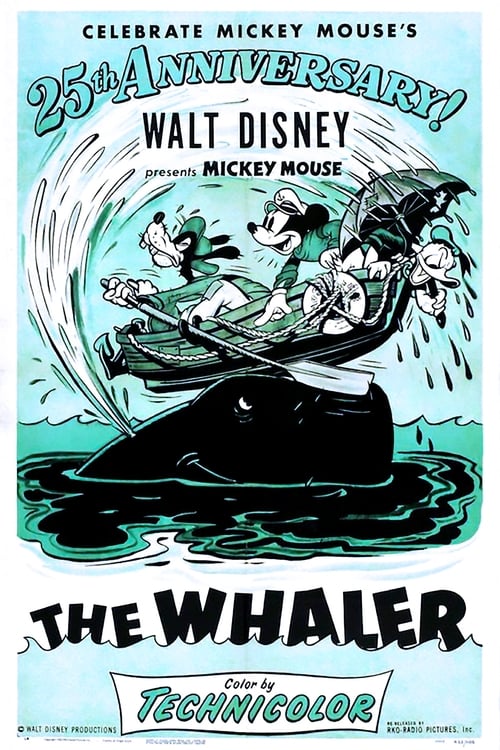
1938
1945
No reviews yet. Be the first to share your thoughts on this movie!
Use the rating form above to leave a star rating and optional review.