
Poker Face
2012
No user ratings available yet
Representation score: 5.5 out of 10
Representation Score
Limited
2004
PG-13Director
Pierre Gill
Runtime
92 minutes
Average Rating
No ratings yetNew Showbiz Analysis
The film follows a typical heist storyline centered on card counting and financial stakes. It operates mainly as a genre-driven drama without significant social commentary. The narrative structure relies on conventional clichés, such as a male-led group dealing with debt and restitution, without challenging established social hierarchies. Overall, the story emphasizes the mechanics of the caper over diverse representation or the examination of cultural institutions.
Category Breakdown
The film does not include explicit LGBTQ+ characters or stories about non-straight identities. The plot centers on a mentor-student relationship, which follows a conventional character setup.
Men play key roles in the story, particularly in academic and leadership positions. Women's involvement is not clearly shown, reinforcing traditional gender dynamics.
Set in Ontario and Quebec, the cast appears homogeneous without any indication of diverse backgrounds or identity-focused storytelling.
The story revolves around a 'get rich' caper, focusing on individual survival rather than critiquing broader societal or cultural issues.
There is no mention of characters with visible or invisible disabilities in the film.
Present on Screen
Limited or Absent
Official Synopsis
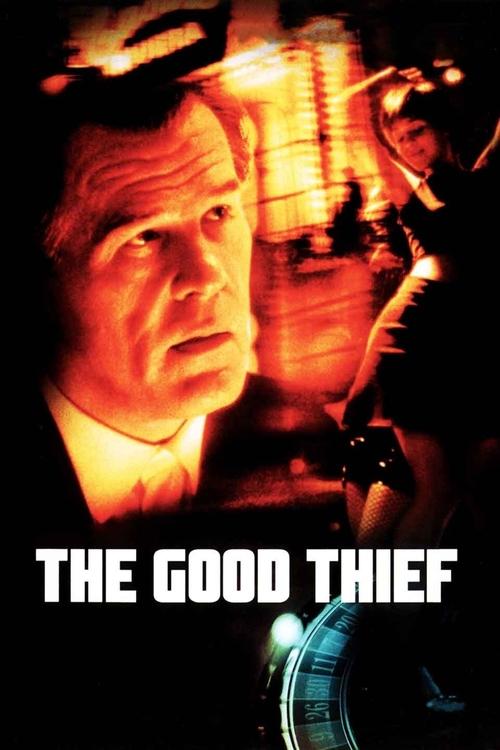
A University teacher finds three bright students and decides to teach them how to count cards to make lots of money. As they learn how to play the casinos, things get tricky when the debt owing teacher informs them that their front man wants restitution for loses in about a weeks time. The three students decide to hit all the major casinos in Ontario and Quebec until discovered.
2012
1974
1956

2006

2014
2003

2008
2003
No reviews yet. Be the first to share your thoughts on this movie!
Use the rating form above to leave a star rating and optional review.