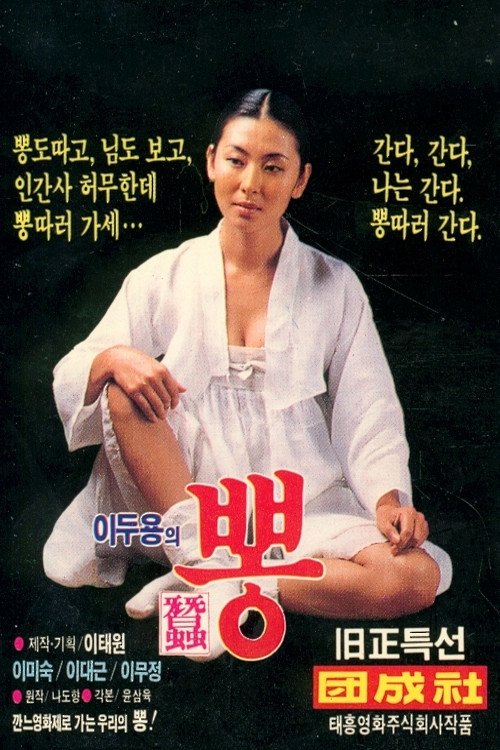
Mulberry
1986
No user ratings available yet
Diversity score: 4.8 out of 10
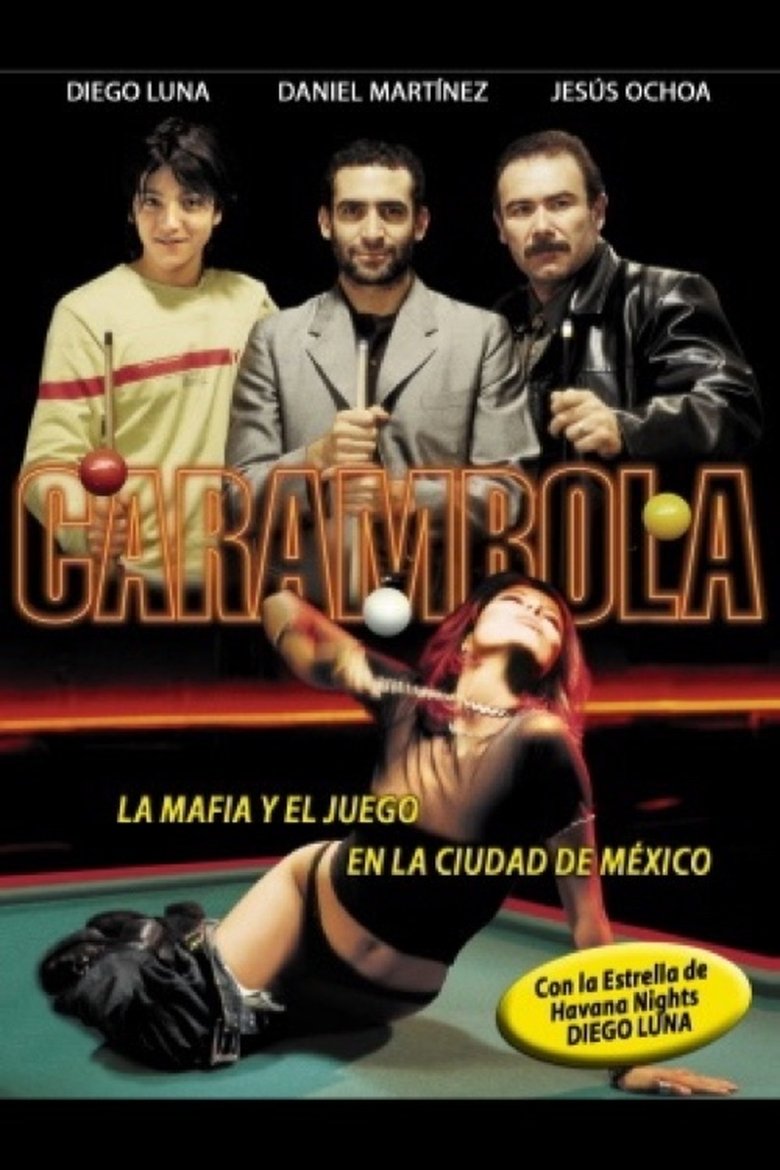
2005
Not RatedDirector
Kurt Hollander
Runtime
85 minutes
Average Rating
No ratings yetSynopsis
El Vago (Martinez) has recently won an old-fashioned billiards hall in a heated contest with the joint's former owner El Mexicano (Jesus Ochoa). The first order of business: El Vago enlists the aid of ambitious assistant El Perro (Luna) in shooting an instructional billiards video. Trouble soon begins to brew, however, as El Perro is repeatedly distracted from his camera duties by El Mexicano's sexy daughter La Pujara (Hidalgo). Increasingly aggressive in his attempts to transform the venerable gaming establishment into a techno-throbbing youth hot spot, El Perro later crosses the line when he uses his lens to shoot a pornographic video with willing exhibitionist La Pujara. As an impressive array of billiards champs descend upon the pool hall for a high profile tournament, El Mexicano comes into possession of the steamy sex tape and flies into a vengeful fury.
Overall Score
Limited
Category Breakdown
LGBTQ+ Representation
The narrative focuses on heteronormative sexual tensions. There is no evidence of queer-coded character arcs or non-cisnormative identities.
Gender Representation
Male characters drive the plot through competition and vengeance. While La Pujara shows agency, she primarily serves as a catalyst for male conflict.
Racial & Ethnic Diversity
The film features Hispanic/Latino identities through character names and the presence of Jesus Ochoa. The setting suggests a culturally specific milieu.
Religious & Cultural Diversity
The plot centers on traditional social consequences and familial honor. It lacks systemic critique, focusing instead on interpersonal and localized social structures.
Disability Representation
No characters are identified as having physical impairments or neurodivergent traits. There is no visible representation of disability in the story.
Strengths
Areas for Improvement
AI Analysis
Carambola operates within a traditional narrative framework that prioritizes heteronormative dynamics and conventional gender roles. The central conflict is driven by masculine archetypes of dominance and territoriality, with female characters often serving as catalysts for male-driven drama. While the film provides meaningful ethnic inclusion through its Hispanic character naming and casting, it lacks broader intersectional depth. The story adheres to traditionalist views on morality and social conduct rather than subverting systemic norms. Ultimately, the film presents a standard, non-subversive approach to storytelling, relying on established tropes rather than diverse or non-normative perspectives.
1986

1972

2012
2014

2003
1995
2000

2007

2020

2002
2012

2004
No reviews yet. Be the first to share your thoughts on this movie!
Use the rating form above to leave a star rating and optional review.