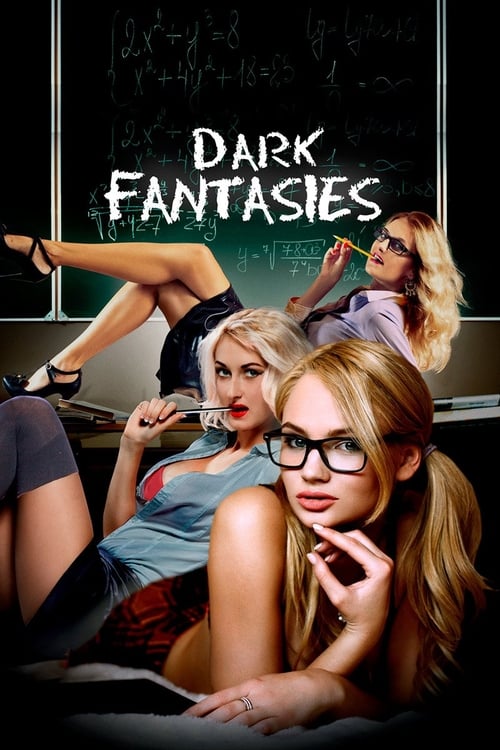
Dark Fantasies
2010
No user ratings available yet
Representation score: 2.5 out of 10

Representation Score
Fair
1996
RDirector
Jackie Garth
Runtime
86 minutes
Average Rating
No ratings yetNew Showbiz Analysis
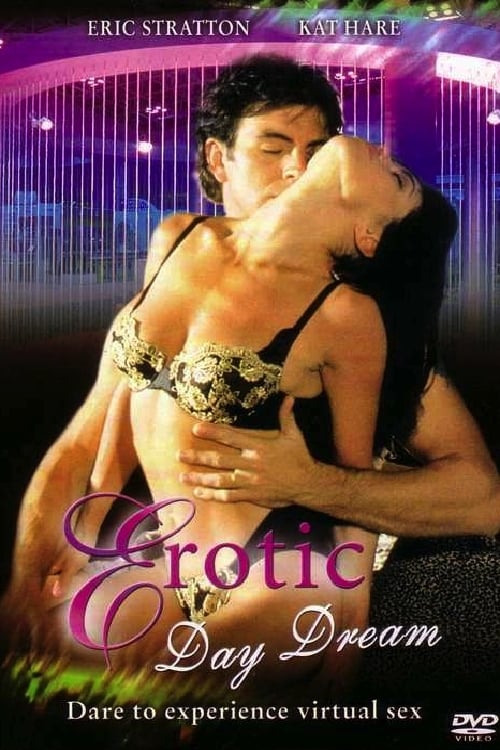
Dreammaster: The Erotic Invader is a mid-90s genre piece that emphasizes speculative romance and eroticism over sociopolitical depth. The narrative structure relies heavily on established clichés, such as the femme fatale, to propel the story forward. Representation is limited, with the film focusing on a homogeneous group of characters. It functions primarily as a psychological suspense piece rather than a vehicle for exploring diverse identities or challenging social hierarchies. Ultimately, the film adheres to the conventions of its time, emphasizing individual psychological struggles rather than broader cultural or systemic commentary.
Category Breakdown
The story centers on heterosexual romantic tension between Grant and Devora. There are no representations of LGBTQ+ identities or critiques of the assumption that everyone is straight or cisgender.
Devora uses the femme fatale cliché, serving as a psychological catalyst for the male lead. Despite having ability to act, she remains secondary to the male students' active roles.
The cast and storyline indicate a homogeneous social group. The film does not showcase diverse racial or ethnic representation.
The narrative delves into psychological manipulation and subjective reality. It does not address systemic critiques or deconstruct Western institutions like religion.
Grant's psychological issues serve as a plot device for fantasy elements. The film lacks a nuanced depiction of neurodivergence or mental health.
Present on Screen
Limited or Absent
Official Synopsis
On a quest to unravel the mysteries of recurring nightmares, four college grad students experiment on each other, monitoring and attempting to manipulate their dreams. Grant, the most troubled of the quartet, is disturbed by the sensual Devora, an erotic fantasy figure who torments and teases him in the most vivid of dreams. Determined to help him, Grant's friends enter the twilight world of his sleeping mind, only to discover that Devora's curse of eternal pleasure is irresistible...
2010
1984

1996

2006
1994

2013
2000
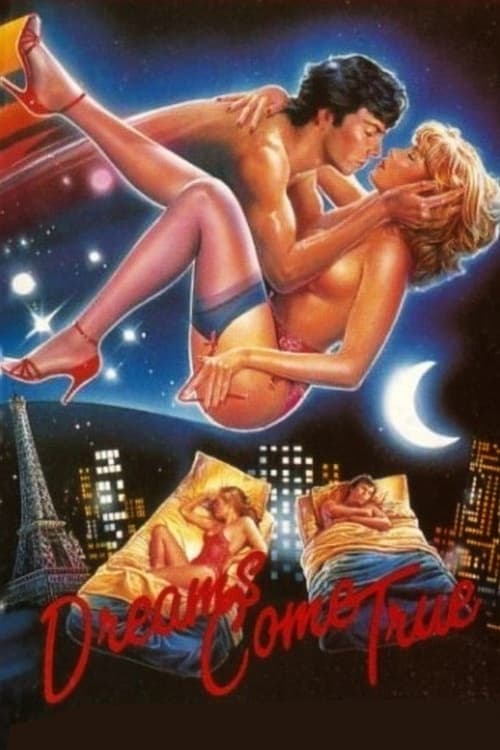
1984
No reviews yet. Be the first to share your thoughts on this movie!
Use the rating form above to leave a star rating and optional review.