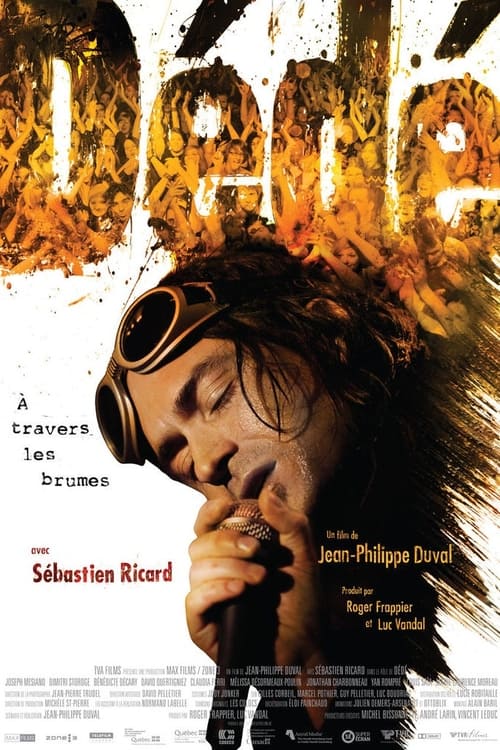
Through the Mist
2009
No user ratings available yet
Diversity score: 6.1 out of 10

1995
Director
Kōji Wakamatsu
Runtime
102 minutes
Average Rating
No ratings yetSynopsis
Biopic about jazz saxophonist Kaoru Abe and his wife, noted writer Izumi Suzuki.
Overall Score
Good
Category Breakdown
LGBTQ+ Representation
The film explores unconventional interpersonal dynamics through its biographical subjects. Wakamatsu’s history suggests a tendency to deconstruct heteronormative structures and the fluidity of human desire.
Gender Representation
By centering writer Izumi Suzuki, the film elevates female intellectual agency. This disrupts traditional hierarchies by presenting a woman as a primary creative force alongside the male protagonist.
Racial & Ethnic Diversity
The production offers a non-Western perspective by centering Japanese avant-garde history. It prioritizes localized cultural narratives over Western-centric biographical models.
Religious & Cultural Diversity
The narrative prioritizes artistic rebellion and individual expression over institutional conformity. It focuses on personal truth and secularism rather than religious or social stability.
Disability Representation
There is no evidence regarding the portrayal of physical or neurodivergent disabilities in this work.
Strengths
Areas for Improvement
AI Analysis
Endless Waltz is a biographical study of jazz saxophonist Kaoru Abe and writer Izumi Suzuki. It functions as an exploration of artistic intensity and the disruption of conventional life paths. The film moves away from mainstream storytelling to focus on the complexities of individual experience. The film succeeds in presenting a non-Western biographical model, centering Japanese cultural icons. It also provides significant intellectual weight by highlighting a female creative figure, moving beyond passive supporting roles. However, the film remains ethnically homogeneous and lacks information regarding disability representation. While it challenges social norms, it does not explicitly confirm the presence of non-cisnormative identities.
2009
1985

1993

2018
1961
1988

2017
2016
1959
1991
1998

2007
No reviews yet. Be the first to share your thoughts on this movie!
Use the rating form above to leave a star rating and optional review.