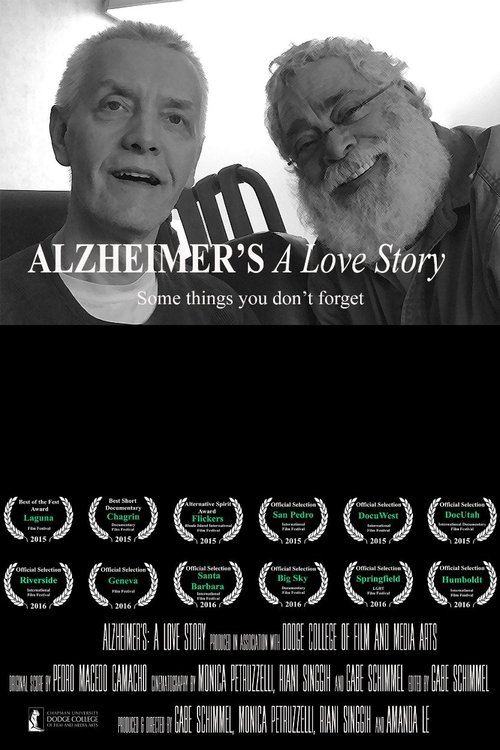
Alzheimer's: A Love Story
2015
No user ratings available yet
Representation score: 6.8 out of 10
Representation Score
Good
2021
PG-13Average Rating
No ratings yetNew Showbiz Analysis
This documentary stands out by focusing on neurocognitive disability. By centering the personal testimony of a man living with Alzheimer's, the film moves beyond clinical observation to offer a subjective, humanistic view of illness. However, the film lacks visible markers of diverse backgrounds. There is no evidence regarding the protagonist's racial background, sexual orientation, or religious context, leaving the narrative's broader social scope undefined. Ultimately, the film succeeds as a character study of cognitive decline but remains a narrow portrait that does not explore diverse social or cultural identities.
Category Breakdown
The film does not explicitly depict sexual orientation or gender identity. It maintains a neutral stance without actively challenging or reinforcing assumptions about straight relationships.
The narrative centers on a man's personal medical journey. There is insufficient information to determine how gender hierarchies or women's roles are portrayed within the film.
The protagonist's racial or ethnic background is not specified. Consequently, the film's engagement with the overlapping aspects of identity related to race remains unconfirmed.
The documentary appears to prioritize a humanistic, lived experience over a clinical perspective. It focuses on the subjective reality of aging and cognitive decline.
By centering a narrative on the lived experience of Alzheimer's, the film gives the subject a significant role in driving the story. This approach portrays neurocognitive disability with dignity and depth.
Present on Screen
Limited or Absent
Official Synopsis
Documentary about a mans’ experience with Alzheimer’s.
2015

2011

2012
2020

2013
2016
2009

2023
No reviews yet. Be the first to share your thoughts on this movie!
Use the rating form above to leave a star rating and optional review.