Strawberry Spring
2001
No user ratings available yet
Representation score: 3.3 out of 10
Representation Score
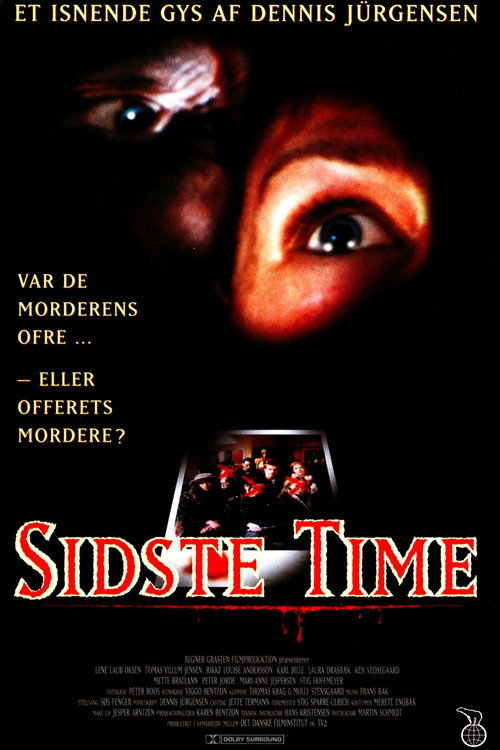
Limited
1995
Director
Martin Schmidt
Runtime
83 minutes
Average Rating
No ratings yetNew Showbiz Analysis
Final Hour operates as a typical mid-1990s thriller, emphasizing suspense and plot twists over social commentary. The narrative centers on a high-stakes survival scenario within a school setting but does not include markers of progressive intent or systemic critique. The film adheres to standard genre conventions without challenging traditional social hierarchies.
Category Breakdown
The film does not include any explicit references to LGBTQ+ identities or same-sex relationships. While the survival scenario offers potential for exploring diverse identities, there is no clear representation of LGBTQ+ characters.
The movie does not specify the gender breakdown of the students or the killer. There is no indication that women play significant roles or challenge traditional masculine leadership.
The film's setting and student body do not indicate a predominantly non-white cast. The casting seems to follow typical casting practices of the mid-1990s.
The thriller storyline does not clearly critique any particular ideology, institutions, or cultural norms. It is unclear whether the plot twists comment on Western institutions, capitalism, or traditional morality.
There is no information about characters with visible or invisible disabilities in the film.
Present on Screen
Limited or Absent
Official Synopsis
Some students gets locked up in their school and is stalked by a killer. But as time goes by, it turns out that there is more to this than it seems.
2001
1988
2001

2006

2015

2017
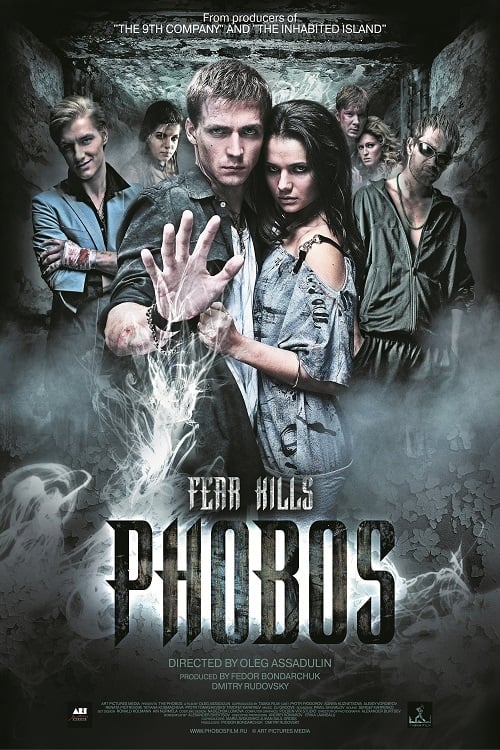
2010

2006
No reviews yet. Be the first to share your thoughts on this movie!
Use the rating form above to leave a star rating and optional review.