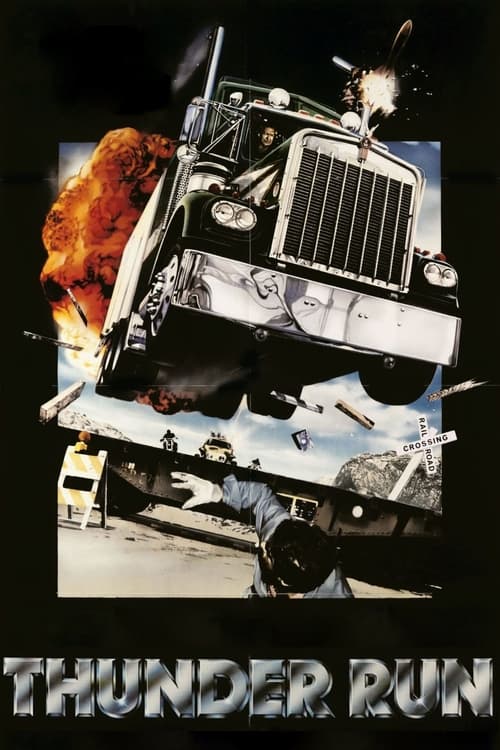
Thunder Run
1985
No user ratings available yet
Representation score: 2.3 out of 10
Representation Score
Good
1986
RDirector
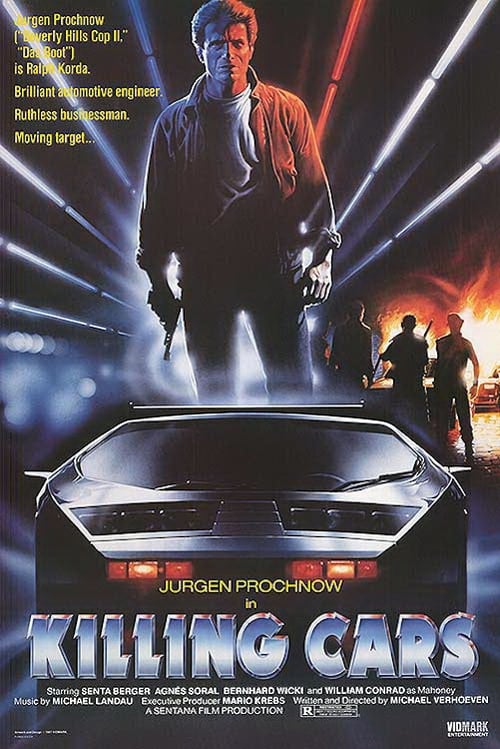
Michael Verhoeven
Runtime
104 minutes
Average Rating
No ratings yetNew Showbiz Analysis
Killing Cars serves as a sophisticated critique of global power dynamics, pitting sustainable innovation against entrenched energy monopolies. It stands out particularly for its post-colonial perspective, using an all-Black cast to challenge Western-centric narratives and the white savior cliché. While the film excels in racial and cultural representation, it remains limited in other areas. Gender dynamics adhere to traditional masculine-coded action clichés, and there is a notable absence of LGBTQ+ or disability-focused narratives. Ultimately, the film's impact comes from its disruption of resource hegemony, prioritizing systemic liberation over the preservation of established Western institutions.
Category Breakdown
The film does not feature any prominent LGBTQ+ characters or explore themes related to sexual orientation or gender identity. The plot focuses on geopolitical and socio-economic issues, leaving no room for LGBTQ+ narratives.
Women play important roles within the resistance movement and have ability to act in the political struggle. However, the narrative follows traditional male-led hierarchies typical of the action genre.
The film features an all-Black cast to represent the local population in a post-colonial setting. This choice effectively counters the white savior cliché by emphasizing the ability to act of the colonized.
The narrative provides a strong critique of Western-backed corporate interests. It portrays the destruction of colonial technology as a necessary act of systemic liberation and reclaiming.
There is no significant representation of characters with visible or invisible disabilities. Disability is not a central part of the character arcs or the film's thematic exploration.
Present on Screen
Limited or Absent
Official Synopsis
In a complex story of automotive intrigue, oil barons, corporate finance, and international villainy, the inventor of an environmentally friendly car powered by energy cells becomes the target of killers. After Ralph Korda has given his patented worldcar to a German automaker for testing, he is confronted by ominous men, eager to get their hands on his patent. Evil Arab petroleum lords also want to stop this threat to the gasoline market any way they can.
1985

1977

1972
1974
1980
1980
2004

1971
No reviews yet. Be the first to share your thoughts on this movie!
Use the rating form above to leave a star rating and optional review.