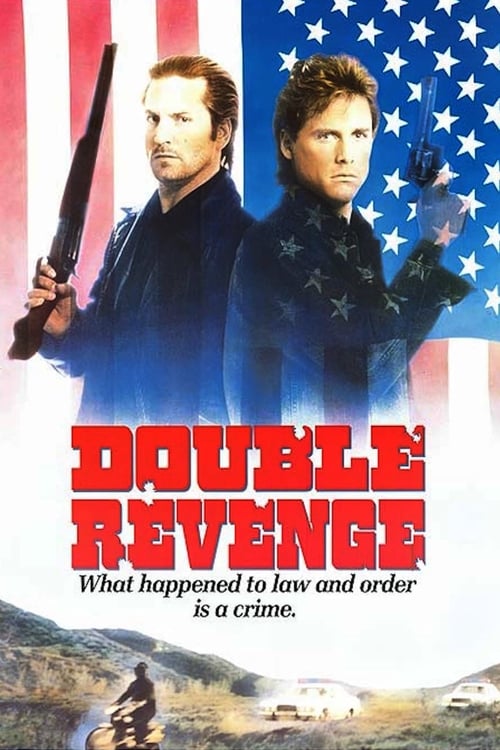
Double Revenge
1988
No user ratings available yet
Representation score: 0.2 out of 10
Representation Score
Minimal
1980
Director
Wigbert Wicker
Runtime
89 minutes
Average Rating
No ratings yetNew Showbiz Analysis
This 1980 action-thriller centers on individual conflict, focusing on a designer's quest for justice after being betrayed and having his car stolen. The plot prioritizes high-stakes drama over social commentary. The film does not intentionally represent diverse identities. Instead, it relies on established genre conventions of the era, emphasizing male-driven professional rivalry and property crime. Overall, the film functions as a standard thriller reflecting the homogeneous social structures of its time, without challenging traditional cinematic norms.
Category Breakdown
The film does not include any LGBTQ+ characters or stories about non-straight identities. The plot focuses solely on professional disputes and theft.
The story revolves around a male protagonist and antagonist, following traditional gender roles typical of 1980s action movies. Female characters are not present.
The movie portrays a conflict within a Western setting, using mostly white actors as was common in 1980s European genre films.
The film explores themes of corporate corruption and capitalism through personal conflicts. It does not offer a deeper critique of these institutions.
The narrative does not feature any characters with visible or invisible disabilities. There is no discussion of disability issues.
Present on Screen
Limited or Absent
Official Synopsis
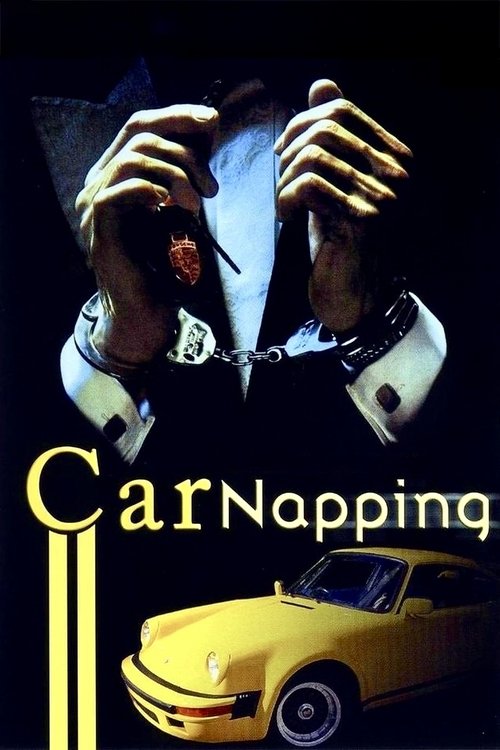
When designer Robert Meering returns from vacation, he discovers the company he worked for unexpectedly went bankrupt so he decides to visit his old boss. His former employer Banninger liquidated the company and claims that all designs of Robert are his. When Robert's Porsche gets stolen by two thieves, he manages to track them down. When they tell him about 40 Porsche's in a dealer shop garage owned by Banninger things change and suddenly get very interesting.
1988
1974
1983

2012
1995

1974
1978
1978
No reviews yet. Be the first to share your thoughts on this movie!
Use the rating form above to leave a star rating and optional review.