
The Story of Southern Islet
2021
No user ratings available yet
Representation score: 8.8 out of 10
Representation Score
Excellent
2019
Director
Qiu Zhongwei
Runtime
83 minutes
Average Rating
No ratings yetNew Showbiz Analysis
The film stands out by focusing on localized folklore and a non-Western fantasy framework. Using the aesthetics of the *Chen Qing Ling* universe, it moves away from Western storytelling norms to explore complex moral landscapes. While the narrative doesn't explicitly represent LGBTQ+ identities, it benefits from a franchise history of emotional depth. The focus on a decaying social ecosystem provides a unique lens for examining systemic vulnerability and institutional failure. Ultimately, the work successfully uses physical vulnerability and cultural specificity as foundational narrative drivers rather than mere plot devices.
Category Breakdown
The film doesn't show explicit same-sex relationships or non-binary identities, but it's part of a series known for deep emotional connections that go beyond the assumption that everyone is straight or cisgender.
The story focuses on the partnership between Wen Ning and Lan Sizhui. The genre's emphasis on spiritual cultivation suggests a shift towards collaborative, character-driven stories rather than strict patriarchal structures.
Set within a specific cultural context, the film offers a non-Western perspective. It uses localized folklore and traditional Chinese fantasy elements to highlight non-Western mythologies.
The narrative explores themes of systemic decay and moral ambiguity. It questions institutional stability through the depiction of a deteriorating town and a nuanced understanding of justice.
The setting of Fu Feng includes a population of the weak and sick. This integrates physical frailty and chronic illness into the core atmosphere and mystery of the story.
Present on Screen
Limited or Absent
Official Synopsis
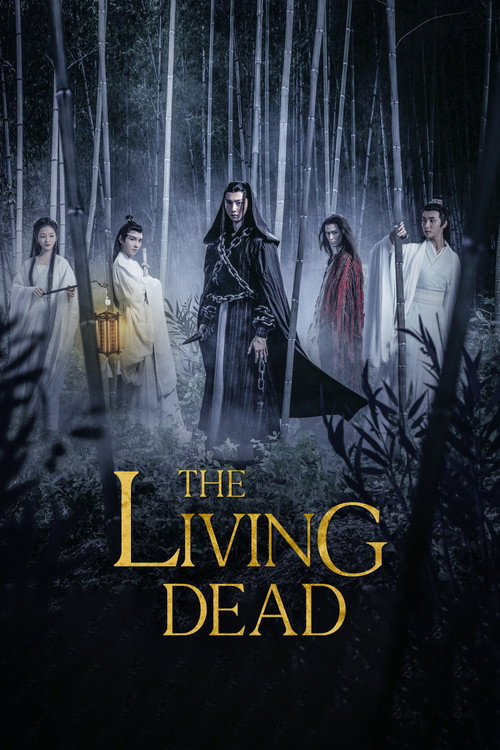
Near Qishan Mountain, there is a little town called Fu Feng, which is nicknamed the "City That Never Turns Dark". There, lies a legend of the "Lit Lamp Murderer". Wen Ning arrives at Fu Feng, and he realizes the abnormality of the town; the whole town is filled only with the weak and sick; and is very run down. When the night arrives, Wen Ning purposefully lit up a lamp to attract ghost shadows. Just as he was about to capture them, a ray of blue sword light appears and the black shadow disappears. Wen Ning looks up, and sees his nephew, Lan Sizhui. Wen Ning and Lan Sizhui decides to work together and solve the mystery and capture the culprit behind the mysterious incidents.
2021
2019

2008
2018
2017

2016
2011
2020
No reviews yet. Be the first to share your thoughts on this movie!
Use the rating form above to leave a star rating and optional review.