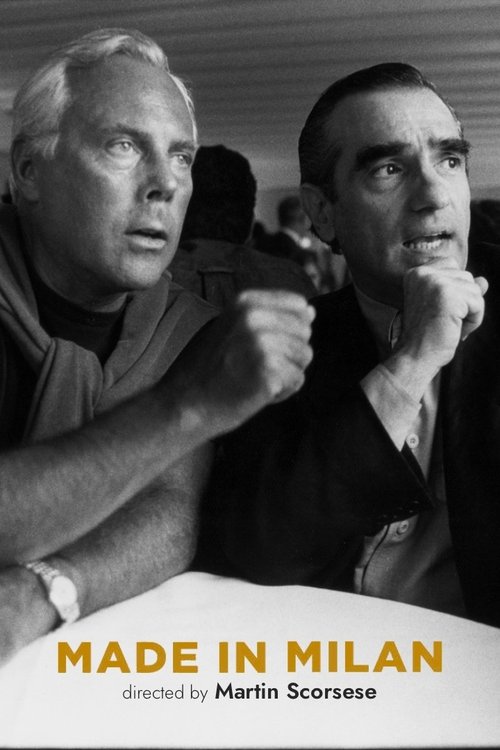
Made in Milan
1990
No user ratings available yet
Representation score: 3.5 out of 10

Representation Score
Limited
1963
Director
Jacques Rozier
Runtime
9 minutes
Average Rating
No ratings yetNew Showbiz Analysis
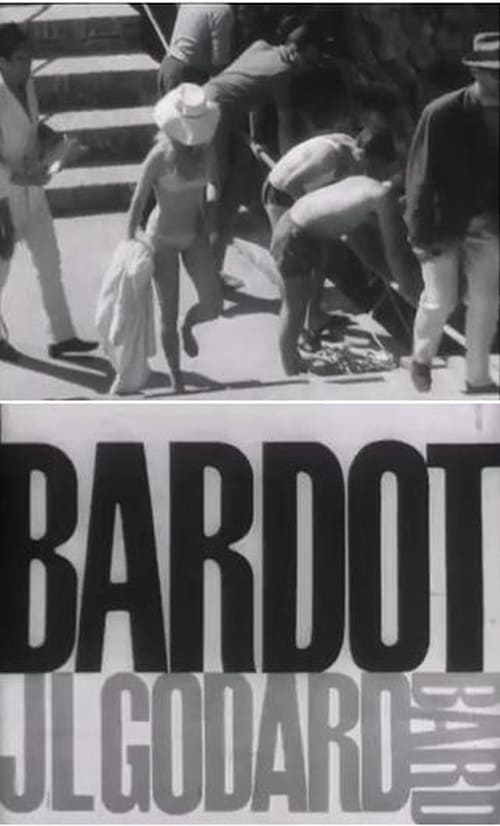
Jacques Rozier’s work is a significant exploration of cinematic formalism that challenges traditional storytelling through an improvisational, fragmented structure. It successfully rejects rigid, institutionalized cinematic traditions by focusing on street-level spontaneity and the 'cinema of small things.' However, the film remains tied to the demographic and social norms of its time. While it offers a postmodern deconstruction of narrative purpose, it lacks explicit identity politics or diverse representation. Ultimately, the film's progressive value lies in its rejection of rigid, institutionalized cinematic traditions rather than in its representation of underrepresented groups.
Category Breakdown
The film captures the spontaneous interactions typical of the New Wave era, but it doesn't explicitly depict non-straight identities or stories that challenge the assumption that everyone is straight.
The story mainly revolves around a male protagonist and his wanderings. It lacks strong female roles or subversions of male dominance.
The cast appears largely homogeneous, reflecting the demographic norms of the early 1960s French Mediterranean. There is no evidence of intentional non-white character representation.
The film disrupts traditional storytelling by emphasizing spontaneous, aimless wandering. This challenges formal and institutionalized narrative norms.
The film focuses on the movements of able-bodied youth and does not include characters with physical or neurodivergent disabilities.
Present on Screen
Limited or Absent
Official Synopsis
Short subject on how fashion is created-- not by the great couturiers, but on the street.
1990

2015
1964

2014

2005
2009
1998
2013
No reviews yet. Be the first to share your thoughts on this movie!
Use the rating form above to leave a star rating and optional review.