
Doctor Who: Dragonfire
1987
No user ratings available yet
Representation score: 4.1 out of 10
Representation Score
Good
1987
Director
Chris Clough
Runtime
75 minutes
Average Rating
No ratings yetNew Showbiz Analysis
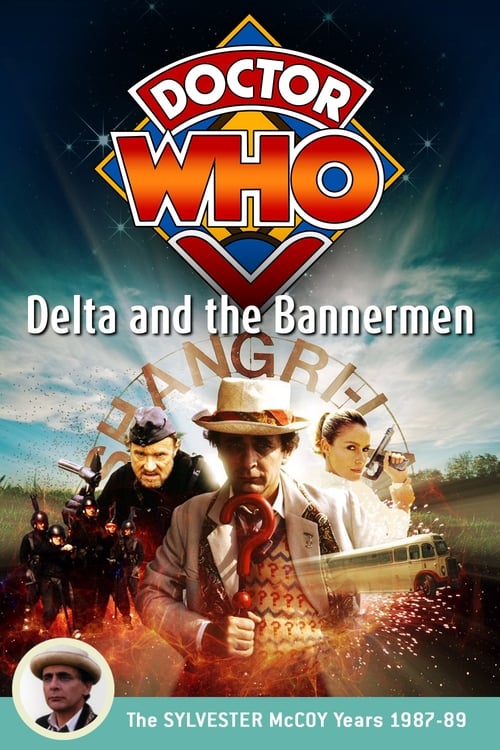
Delta and the Bannermen functions as a transitional piece of science fiction. It moves away from passive character clichés by granting Mel Bush ability to act and competence, which balances the traditional mentor-protector dynamic. The inclusion of a Black female companion and the allegorical struggle of the Chimeron Queen provide meaningful layers of racial and multi-layered depth. However, the production remains tethered to the social frameworks of its era. The absence of LGBTQ+ visibility and the lack of focus on disability or institutional critique limit its progressive impact. While it uses extraterrestrial conflict to explore displacement, it does not fully deconstruct Western social or religious structures.
Category Breakdown
The story lacks explicit LGBTQ+ characters or storylines. Social dynamics remain centered on straight relationships without challenging romantic expectations.
Mel Bush provides a strong counter to traditional hierarchies, acting who play a significant role in driving the story. She avoids the damsel cliché by maintaining competence and decision-making power.
Mel Bush's presence as a Black woman offers important multi-layered complexity. Additionally, the Chimeron genocide serves as a powerful allegory for the survival of underrepresented groups.
The narrative focuses on a contemporary Earth setting using traditional adventure clichés. It avoids deconstructing Western morality, though the refugee plot introduces themes of systemic harm.
There is no significant focus on visible or invisible disabilities. The Chimeron biology functions as a species metaphor rather than a representation of neurodivergence or disability.
Present on Screen
Limited or Absent
Official Synopsis
The Doctor and Mel go for a holiday trip to Shangri-La aboard a Nostalgia Tours bus, only to get dragged into the battle against genocide of their fellow passenger Delta, a Chimeron Queen fleeing from the Bannermen who wish to make her species extinct.
1987

1996

1977

1975

1988

1975

1985
1972
No reviews yet. Be the first to share your thoughts on this movie!
Use the rating form above to leave a star rating and optional review.