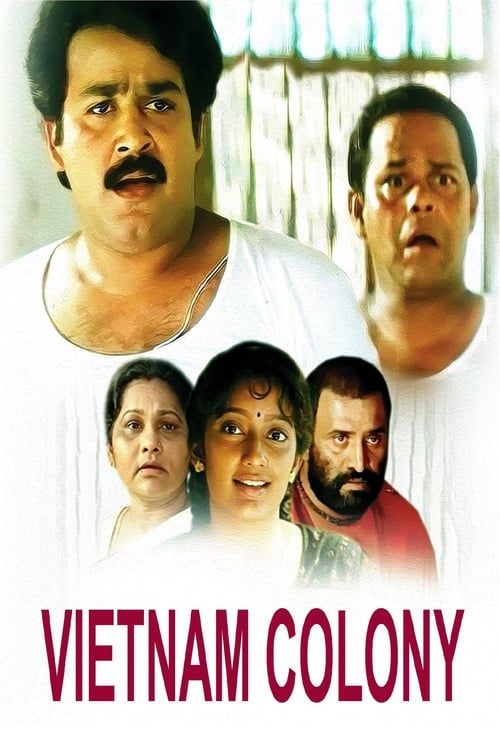
Vietnam Colony
1992
No user ratings available yet
Representation score: 4.5 out of 10
Representation Score
Fair
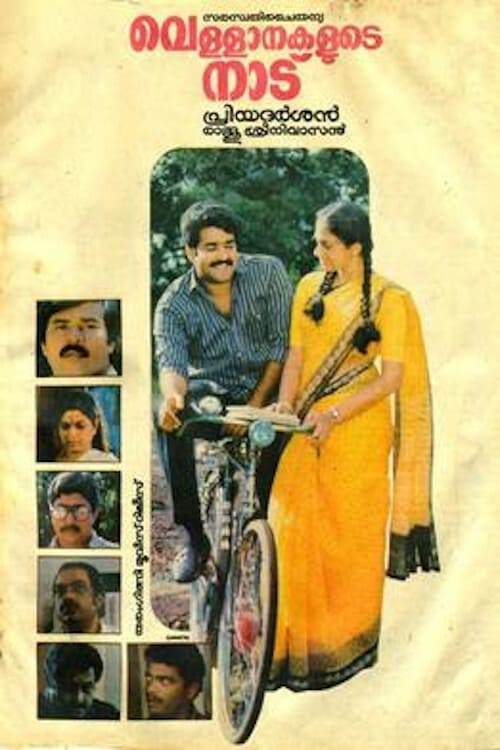
1988
Director
Priyadarshan
Runtime
136 minutes
Average Rating
No ratings yetNew Showbiz Analysis
Priyadarshan’s satire effectively exposes local power structures and systemic corruption. The film provides a culturally specific view of the socioeconomic realities of rural Kerala, challenging the perceived integrity of local governance. However, the film’s progressive impact is limited by its narrow focus on a specific demographic. It adheres to the social norms of its 1988 production context, especially regarding gender and sexuality. Ultimately, the work emphasizes political critique over a broad range of human identities.
Category Breakdown
The film follows traditional assumptions about straight relationships and gender roles common in 1980s regional cinema. It does not include any stories or characters that explore LGBTQ+ identities.
The story centers around male characters involved in political maneuvering and leadership. Female characters play minor roles and are not deeply involved in the main conflict against the municipal mafia.
The film offers a genuine depiction of the Malayali community and regional culture. It provides insight into the socioeconomic conditions of rural Kerala without resorting to stereotypes.
The story critiques local institutions and political corruption through anti-establishment themes. It highlights the struggles of the working class against the political elite.
Disability is not a central theme or narrative element. The plot focuses on socioeconomic and political issues within the village setting.
Present on Screen
Limited or Absent
Official Synopsis
Vellanakalude Nadu movie which is a political satire based against municipal mafia in the form of Buildings
1992
2013
2015

2018
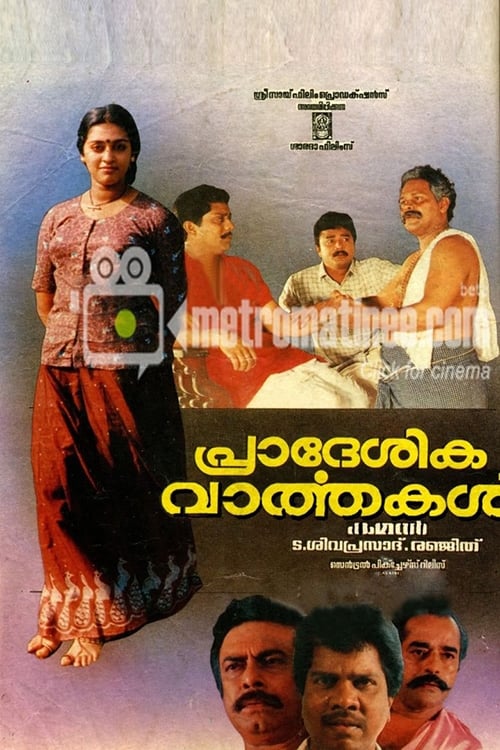
1989

1988
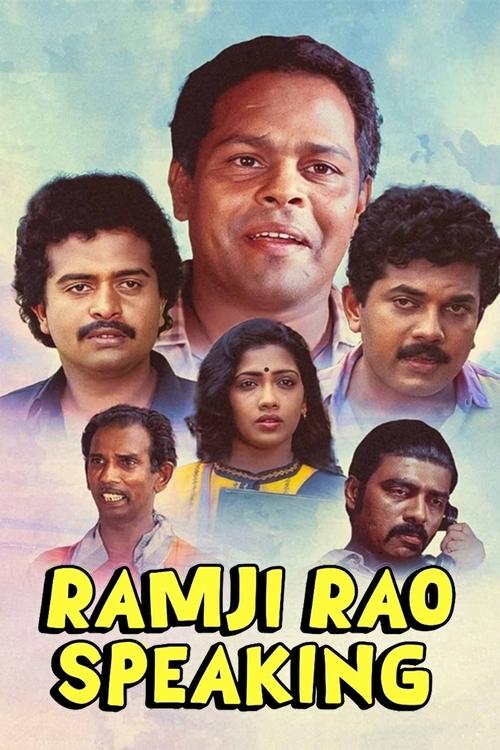
1989

2021
No reviews yet. Be the first to share your thoughts on this movie!
Use the rating form above to leave a star rating and optional review.