
Don't Look Back
2020
No user ratings available yet
Representation score: 7.3 out of 10
Representation Score
Excellent
2025
RDirector
Jennifer Kaytin Robinson
Runtime
111 minutes
Average Rating
No ratings yetNew Showbiz Analysis
The film actively challenges the homogeneous defaults of the slasher genre by centering a diverse ensemble. Director Jennifer Kaytin Robinson’s background suggests intentional casting that prioritizes multi-layered representation. The narrative distributes influence across various identities, challenging traditional final girl clichés and male authority structures. Racial diversity is particularly strong, with lead roles filled by actors of color in non-stereotypical positions within an affluent setting. Gender representation is robust, positioning women as the primary drivers of the plot while critiquing male incompetence. LGBTQ+ elements are normalized within the group dynamic rather than treated as exotic plot points. Cultural and disability representations are present but less developed. The critique of political power is clear but contained within genre conventions. The inclusion of addiction recovery adds depth, though it navigates the fine line between realistic portrayal and horror sensationalism. The overall score reflects a progressive shift in representation while acknowledging genre limitations.
Category Breakdown
The film includes diverse LGBTQ+ relationships as part of the ensemble's social fabric, presenting them with depth and normalcy rather than as isolated plot devices. The interactions between ex-partners and friends show a narrative environment where non-straight relationships have meaningful roles and influence. This contrasts with typical horror clichés by distributing ability to act among a variety of characters.
Women play key roles in driving the narrative, with Ava being resilient and central to resolving the conflict, countering the passive victim cliché. Male characters in power are shown with significant flaws or moral ambiguity, breaking down the competent male leader stereotype. This shifts the focus of survival and uncovering the truth onto female characters.
The film features prominent actors of color in lead roles, moving away from stereotypical portrayals. Actors like Chase Sui Wonders and Tyriq Withers are integral to the group's dynamics and plot progression, challenging traditional assumptions about who occupies spaces of privilege in affluent settings.
The film critiques elite privilege and political corruption through the character of a corrupt politician, highlighting systemic issues. However, it stays within the bounds of genre thriller conventions, focusing on individual accountability rather than broader institutional critiques. It blends social commentary with traditional horror clichés without fully embracing anti-capitalist narratives.
A character returning from rehab introduces themes of mental health and recovery, addressing the stigma around addiction. This storyline provides a realistic portrayal of the challenges faced during reintegration, giving narrative weight to the theme. While avoiding sensationalism, the representation navigates the risk of horror sensationalism inherent to the genre.
Present on Screen
Limited or Absent
Official Synopsis
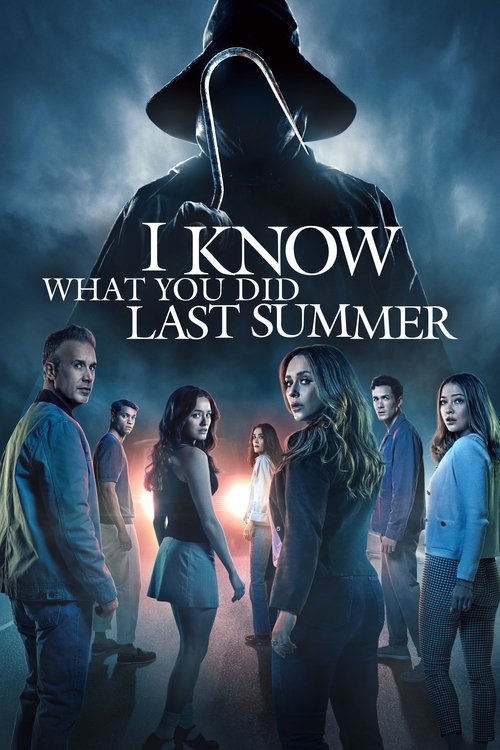
When five friends inadvertently cause a deadly car accident, they cover up their involvement and make a pact to keep it a secret rather than face the consequences. A year later, their past comes back to haunt them and they're forced to confront a horrifying truth: someone knows what they did last summer…and is hell-bent on revenge.
2020

2009

1997

2003

2003

1998
2021

2018
No reviews yet. Be the first to share your thoughts on this movie!
Use the rating form above to leave a star rating and optional review.