Matrix III
1972
No user ratings available yet
Representation score: 0.6 out of 10
Representation Score
Good
1975
Director
John Whitney Sr.
Runtime
7 minutes
Average Rating
No ratings yetNew Showbiz Analysis
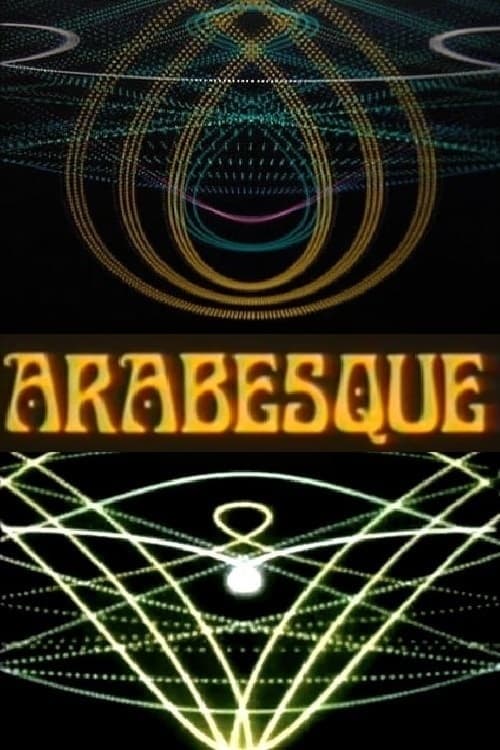
Arabesque is a groundbreaking work of computer animation that replaces traditional human-centric storytelling with mathematical abstraction. Since it lacks characters, dialogue, or actors, it cannot engage in multi-layered character-driven narratives or represent specific social identities. However, this absence of humanity allows the film to bypass many systemic biases. By removing the human lens, it avoids reinforcing racial, gendered, or straight-centered hierarchies. It functions as a formalist deconstruction of cinema's conventional expectations. The film's primary contribution to diversity lies in its cultural and spiritual perspective. It leans into mathematical mysticism and psychedelic aesthetics, challenging Western materialist paradigms through a non-anthropocentric, meditative experience.
Category Breakdown
The film does not depict any LGBTQ+ relationships or identities. It avoids traditional gender roles by focusing on abstract patterns rather than human interactions.
The film operates in a post-gender space using geometric patterns instead of human figures. This approach disrupts traditional gender hierarchies by making gender archetypes irrelevant.
Since the film avoids human subjects, it also avoids racial stereotyping. Its mathematical patterns offer a universal form of expression that transcends ethnic categorization.
The film prioritizes a non-traditional spiritual perspective and secular abstraction. Its psychedelic-adjacent aesthetics suggest a rejection of structured religious morality in favor of a subjective, cosmic experience.
The film does not depict any characters, so there are no disabilities portrayed. The film maintains a neutral stance by not using disability as a plot device or source of mockery.
Present on Screen
Limited or Absent
Official Synopsis
John Whitney's pioneering work of computer animation, Arabesque, from 1975. This flowing, abstract short film is a wonder to behold, a work of art. Like many other computer graphics pioneers, this film suggests roots in psychedelics and spiritual quests as much as engineering and mathematics. Preserved by the Academy Film Archive in 2007.
1972
1957

1971
1968
1971
1979
1966
1961
No reviews yet. Be the first to share your thoughts on this movie!
Use the rating form above to leave a star rating and optional review.