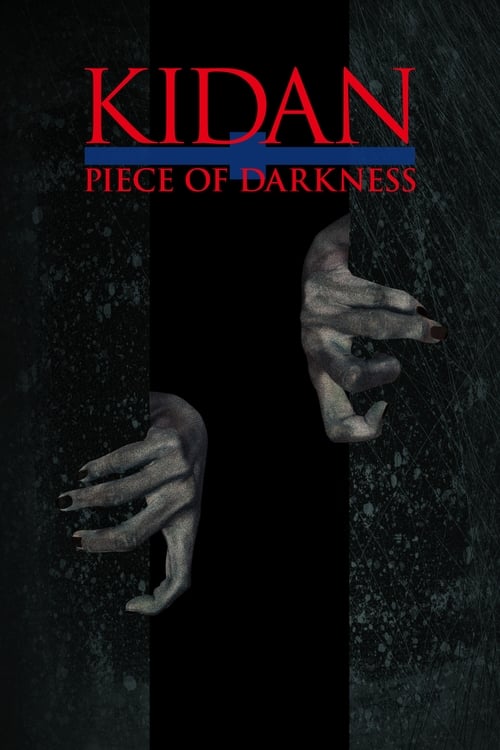
Kidan Piece of Darkness
2016
No user ratings available yet
Representation score: 7.7 out of 10

Representation Score
Good
2013
Director
Masayuki Suzuki, Junichi Ishikawa, Yasushi Ueda, Takao Kinoshita
Runtime
130 minutes
Average Rating
No ratings yetNew Showbiz Analysis
This anthology series explores the human condition through surrealism, prioritizing the disruption of social and moral certainties over broad characters who reflect more than one aspect of diversity. While the fragmented structure allows for various vignettes, the content remains deeply rooted in specific Japanese cultural anxieties. The production's strength lies in its ability to challenge perceptions of reality and normalcy, but the narrative scope is culturally narrow, focusing on domestic social structures and local folklore rather than global demographic diversity.
Category Breakdown
The anthology format provides opportunities for diverse character studies. However, the series often depends on traditional social structures as a starting point for its unusual twists.
Female protagonists often navigate surreal situations. The stories usually focus on disrupting domestic stability rather than challenging systemic gender hierarchies.
Casting is primarily homogeneous, emphasizing Japanese folklore and urban legends. This cultural focus limits multi-ethnic or global diversity within the production.
The series excels at questioning social conformity and traditional stability. It uses the breakdown of social norms and institutions to drive its mysteries.
Physical or mental differences are often used as a thematic device to signify the strange or unsettling. There is a risk of these traits being used solely as plot catalysts.
Present on Screen
Limited or Absent
2016
2004
2015

2005

2008
2002
2012

2014
No reviews yet. Be the first to share your thoughts on this movie!
Use the rating form above to leave a star rating and optional review.