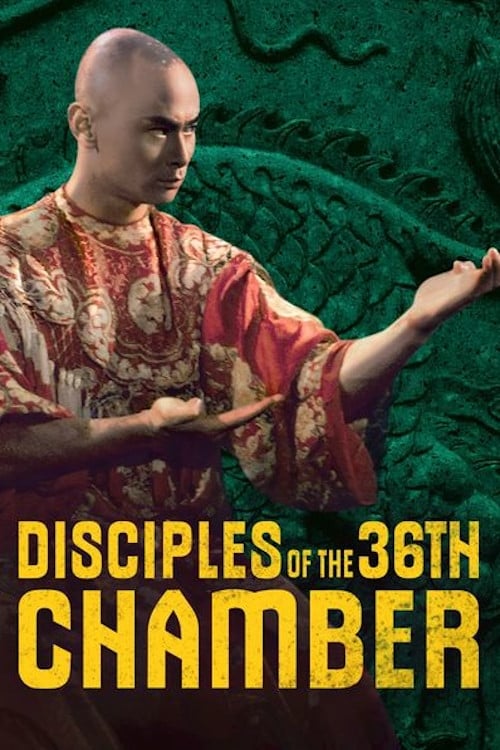
Disciples of the 36th Chamber
1985
No user ratings available yet
Representation score: 1.4 out of 10
Representation Score
Minimal
1980
RDirector
Lau Kar-leung
Runtime
101 minutes
Average Rating
No ratings yetNew Showbiz Analysis
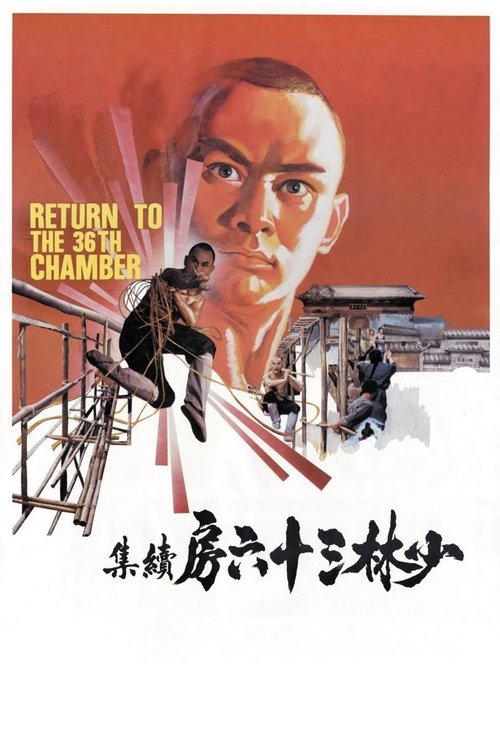
Return to the 36th Chamber is a quintessential martial arts film that prioritizes lineage and technical authenticity over social deconstruction. The narrative is built around the master-disciple relationship, reinforcing traditional hierarchies and masculine discipline. While the film captures a specific cultural heritage through its focus on Shaolin traditions, it lacks multi-layered breadth. It functions as a celebration of personal merit and classical values rather than a challenge to established social norms. Ultimately, the film's focus on physical mastery and traditional structures results in a narrow representation of identity, favoring a homogeneous and gender-skewed perspective.
Category Breakdown
The film focuses on traditional masculine bonds and does not represent any non-cisgender identities.
Narrative ability to act is almost exclusively reserved for male protagonists. Female presence is minimal and does not challenge traditional gender hierarchies or masculine leadership.
The cast is predominantly Chinese, reflecting the cultural context of the Shaw Brothers studio. It maintains a specific cultural milieu without multi-ethnic blending.
The story emphasizes traditional values like hierarchy and the master-student bond. Resolution comes through individual martial mastery rather than systemic social reform.
Characters are defined by physical prowess and athletic discipline. There are no prominent depictions of physical or neurodivergent disabilities.
Present on Screen
Limited or Absent
Official Synopsis
The workers of a dye factory have their pay cut by 20% when the factory owner brings in some Manchu thugs to try and increase production. Desperate to reclaim their full wages, the workers hire an actor to impersonate a priest and kung-fu expert from the temple of Shaolin. The factory owner proves the actor a fraud, and punishes all those involved. The young actor feels he has let the workers down, and promises to atone. He sets out for Shaolin, determined to be accepted as a kung-fu pupil at the elite temple.
1985
1978
1985

1978
1986
1973
1977
1981
No reviews yet. Be the first to share your thoughts on this movie!
Use the rating form above to leave a star rating and optional review.