Rookie Revue
1941
No user ratings available yet
Representation score: 0.5 out of 10
Representation Score
Minimal
1931
Director
Hugh Harman
Runtime
7 minutes
Average Rating
No ratings yetNew Showbiz Analysis
Bosko the Doughboy is a product of its historical era, emphasizing surreal, rubber-hose comedy over intentional social representation. While the central placement of a Black lead is significant for 1931, the execution is limited by the era's reliance on racial caricatures and stereotypes. The film upholds conventional social hierarchies and traditional gender roles. Characters like Honey have little influence, serving mainly as emotional motivators for the protagonist within a standard heterosexual framework. Overall, the work serves as comedic escapism. It uses the chaos of war for slapstick humor without critiquing Western institutions or systemic structures.
Category Breakdown
The film follows the heterosexual and cisgender norms typical of the 1930s. Bosko's romantic feelings are focused solely on Honey through a photograph.
Gender roles are very traditional. Honey is portrayed as a passive object of affection and a photographic icon rather than an active participant with a significant role in the story.
Bosko stands out as a Black protagonist in 1931 animation. However, his character design uses exaggerated physical traits and racial caricatures common to the time.
The story unfolds within a traditional Western context. It uses the backdrop of World War I for slapstick comedy without questioning the established power structures.
There is no depiction of physical or invisible disabilities. None of the characters show neurodivergence or impairments.
Present on Screen
Limited or Absent
Official Synopsis
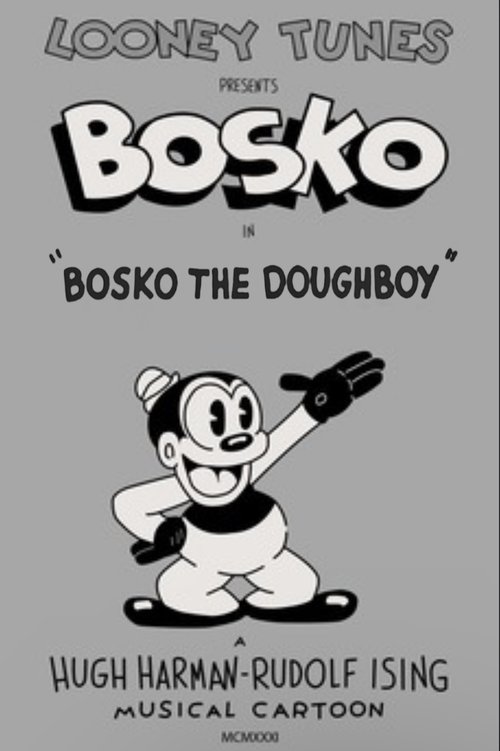
Bosko is a doughboy in the Great War. Bullets and bombs are everywhere. (A bomb even blows up the title card.) Bosko and his fellow infantrymen are hardly safe in their trench. Bosko is happily eating from a pan full of beans when a bomb hits the pan and destroys his meal. Bosko misses Honey; he pulls out her picture and kisses it. A cannonball tears through it, making her head a gaping hole. Now Bosko is angry. He vows revenge but the moment his helmet appears above the trench, it’s hit with dozens of bullets, knocking him back down. Another soldier briefly cheers him up with harmonica music. Bosko gets his chance to be a hero when his buddy swallows a cannonball.
1941
1943
1931
1927
1932
1936
1943
1942
No reviews yet. Be the first to share your thoughts on this movie!
Use the rating form above to leave a star rating and optional review.