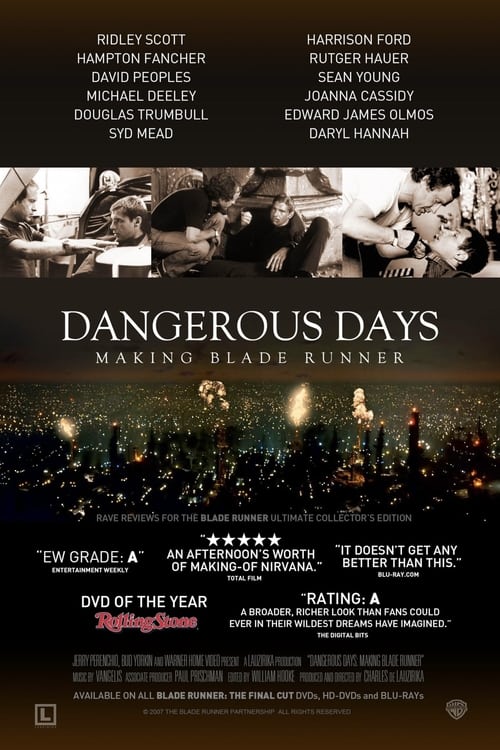
Dangerous Days: Making Blade Runner
2007
No user ratings available yet
Representation score: 4.7 out of 10

Representation Score
Limited
2006
Director
Eric Matthies
Runtime
26 minutes
Average Rating
No ratings yetNew Showbiz Analysis
One Summer in Austin functions primarily as a technical and creative retrospective rather than a narrative vehicle for character-driven stories. It focuses on the study of rotoscoping technology and the philosophical ideas behind Philip K. Dick’s work. Since the film is a behind-the-scenes look at craft and methodology, it does not actively engage with social hierarchies or diverse identities. The focus remains on the intersection of technology and postmodern storytelling. Ultimately, the documentary serves as a scholarly industry study. Its lack of diverse character's ability to drive the story is a result of its specialized focus on cinematic innovation and production history.
Category Breakdown
The documentary does not include explicit stories or arcs involving LGBTQ+ individuals. Instead, it focuses on the technical aspects of filmmaking rather than exploring queer themes.
The film discusses technical challenges and the adaptation process but does not delve into gendered power dynamics or subvert traditional gender roles.
The production seems to center on a specific group of filmmakers in Austin. There is no mention of a non-Anglo-Saxon majority or efforts to highlight diverse racial backgrounds.
The film addresses postmodern themes and intellectual frameworks that challenge traditional moralities. However, it remains focused on the professional industry rather than critiquing Western institutions.
There is no mention of subjects with disabilities being portrayed with specific ability to act or used as plot devices in this documentary.
Present on Screen
Limited or Absent
Official Synopsis
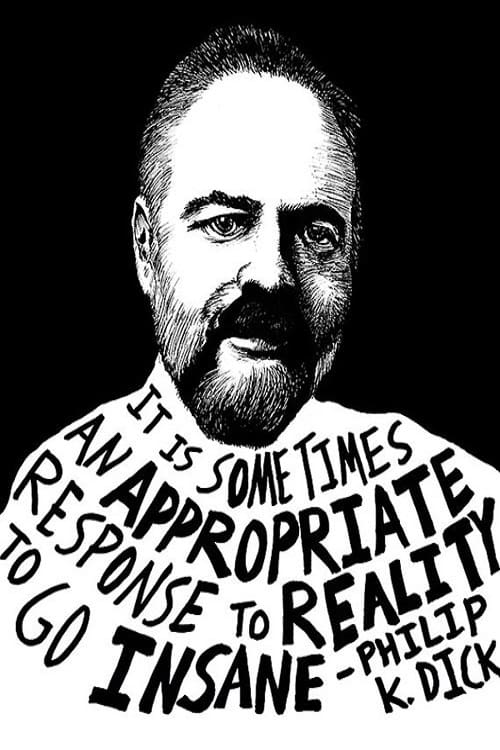
A unique documentary that interlaces archival interviews with author Philip K. Dick with chats featuring cast and crew. Discussed are the origins of the story, parallels the cast and crew sees to the goings-on in today's world, and adapting the story for film, modern audiences, and its unique look.
2007
2019
2007
2003
2016
2001
2010
2013
No reviews yet. Be the first to share your thoughts on this movie!
Use the rating form above to leave a star rating and optional review.