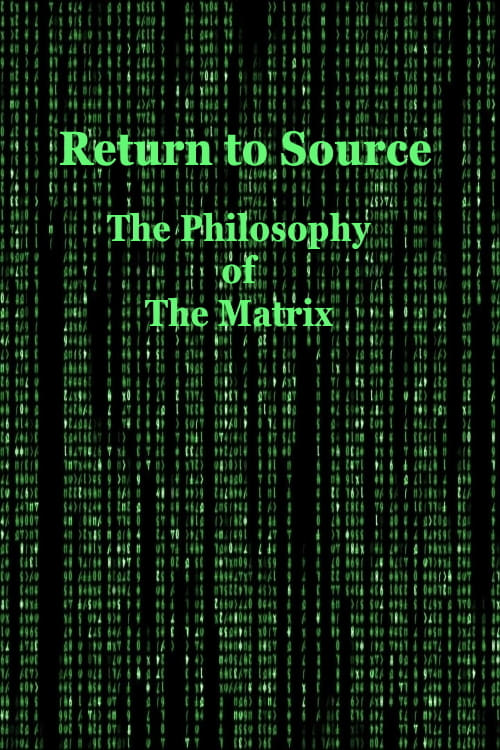
Return to Source: The Philosophy of The Matrix
2004
No user ratings available yet
Diversity score: 5.8 out of 10

2016
Director
Daniel Griffith
Runtime
85 minutes
Average Rating
No ratings yetSynopsis
The feature-length documentary about the making of the cult film favorite, "Donnie Darko."
Overall Score
Fair
Category Breakdown
LGBTQ+ Representation
The film engages with non-conformist themes found in the original source material. However, it lacks explicit depictions of LGBTQ+ identities, focusing instead on theoretical subtext.
Gender Representation
The narrative deconstructs traditional domestic roles and explores the friction between identity and societal expectations. It lacks active subversion of gender hierarchies through character agency.
Racial & Ethnic Diversity
The documentary functions as a scholarly retrospective on a specific cinematic work. It does not prioritize intentional demographic diversification or the exploration of racial intersectionality.
Religious & Cultural Diversity
The film excels by critiquing suburban normalcy and exploring existentialism. It prioritizes philosophical complexity and the questioning of established social orders over traditionalist perspectives.
Disability Representation
The documentary provides a platform for discussing neurodivergence and mental health. It offers a nuanced look at characters existing outside standard psychological frameworks.
Strengths
Areas for Improvement
AI Analysis
Deus ex Machina: The Philosophy of 'Donnie Darko' functions as a meta-analytical study rather than a narrative feature. Because it examines the philosophical underpinnings of a cult classic, its diversity is tied to thematic inquiry rather than demographic representation. The documentary succeeds in exploring non-normative cognitive experiences and the deconstruction of social structures. It treats existentialism and systemic anxieties as valid subjects for intellectual study. However, the film lacks direct representation of diverse identities. The focus remains on scholarly retrospective and production history, which limits its impact on racial and gender-based intersectionality.
2004
1996
2012
2002

2004

2015
1998
2008

2001

2007

2020

2011
No reviews yet. Be the first to share your thoughts on this movie!
Use the rating form above to leave a star rating and optional review.