
Seven Signs of the Apocalypse
2009
No user ratings available yet
Representation score: 0.2 out of 10
Representation Score
Minimal
1978
PGDirector
Robert Amram, Rolf Forsberg
Runtime
91 minutes
Average Rating
No ratings yetNew Showbiz Analysis
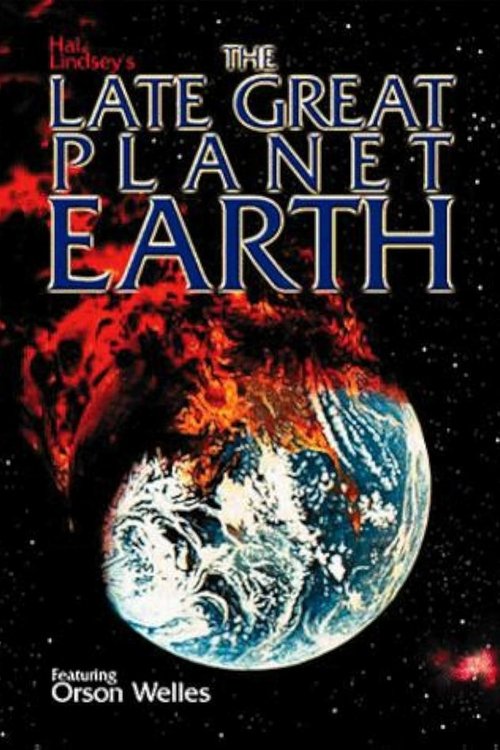
The film 'The Late Great Planet Earth' is designed to reinforce established religious and social hierarchies. Its primary goal is to affirm Western religious structures through a providential lens. While it uses global imagery to illustrate a divine timeline, it lacks progressive markers of identity-driven storytelling. The subjects presented are historical artifacts rather than nuanced individuals with personal ability to act. Ultimately, the film operates from a position of moral absolutism, prioritizing theological instruction over multi-layered identities or the subversion of social norms.
Category Breakdown
The film does not depict any LGBTQ+ identities or non-conforming gender expressions. It does not address queer themes or provide a platform for non-straight relationships.
The film relies on archival footage that reflects traditional gender roles. It reinforces patriarchal structures and does not challenge historical gender hierarchies.
The film includes archival footage featuring various ethnic groups, but this inclusion is functional and lacks deeper character-driven stories.
The film is centered around a singular Christian moral perspective and Judeo-Christian beliefs. It views history through a providential lens, rejecting secular or postmodern viewpoints.
The film does not focus on disability, neurodivergence, or chronic illness. It limits its scope to geopolitical and theological changes.
Present on Screen
Limited or Absent
Official Synopsis
The Late, Great Planet Earth is the title of a best-selling 1970 book co-authored by Hal Lindsey and Carole C. Carlson, and first published by Zondervan. The book was adapted in 1979 into a movie. The Late, Great Planet Earth is a treatment of literalist, premillennial, dispensational eschatology. As such, it compared end-time prophecies in the Bible with then-current events in an attempt to broadly predict future scenarios leading to the rapture of believers before the tribulation and Second Coming of Christ to establish his thousand-year (i.e. millennial) Kingdom on Earth.
2009

2008

2009

1981
2013
2020

2017
2010
No reviews yet. Be the first to share your thoughts on this movie!
Use the rating form above to leave a star rating and optional review.