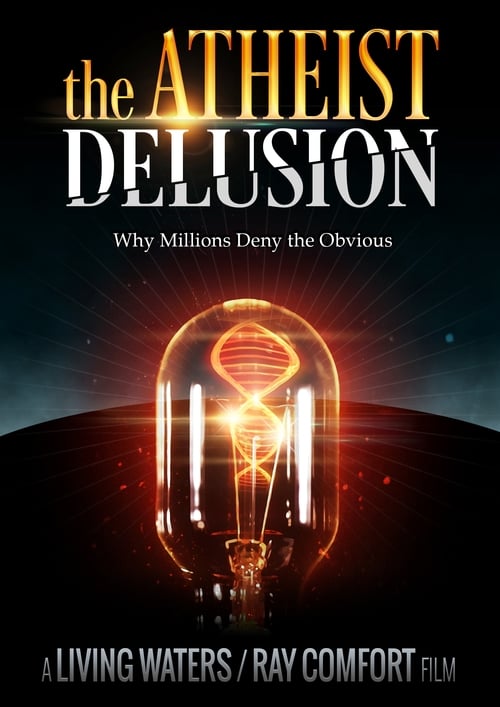
The Atheist Delusion
2016
No user ratings available yet
Representation score: 0.8 out of 10
Representation Score
Minimal
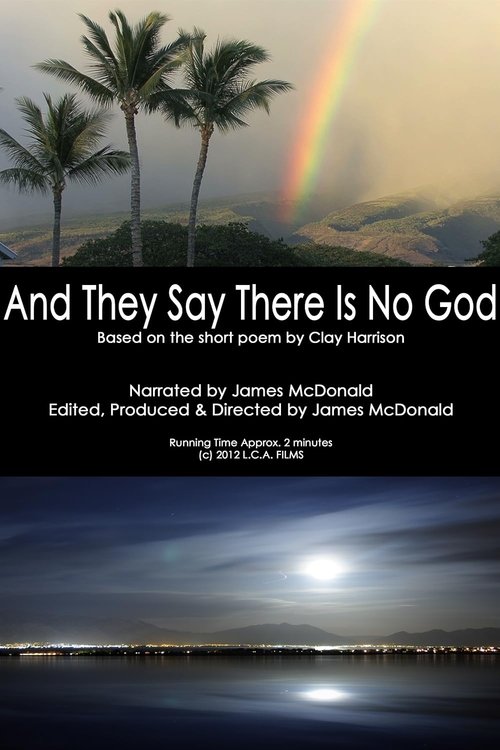
2012
GDirector
James McDonald
Runtime
2 minutes
Average Rating
No ratings yetNew Showbiz Analysis
James McDonald’s documentary aims to support traditional religious beliefs, focusing on defending established spiritual frameworks. Its use of scriptural criticism indicates a narrative designed to uphold traditional moral standards rather than explore varied human experiences. The film centers on criticizing secularism and atheism. This narrow focus on Western theological traditions leaves little space for representing multiple aspects of identity or dismantling social hierarchies. Overall, the film upholds conventional social and religious values, placing it towards the less inclusive end of the spectrum for progressive representation.
Category Breakdown
The film uses religious language that frames non-straight identities as moral wrongdoings. There is no positive portrayal or significant role for LGBTQ+ individuals.
The story seems to depend on traditional male-dominated religious structures and gender roles. It doesn't show any effort to challenge typical social or household dynamics.
The documentary probably follows standard Western cultural norms. There is no indication of a diverse cast or focus on multiple aspects of identity.
The film emphasizes defending traditional Christian morals against secular ideas. It strongly opposes atheism and moral flexibility.
There is no mention of disability, neurological differences, or mental health issues. No character stories related to these topics are present.
Present on Screen
Limited or Absent
Official Synopsis
The fool hath said in his heart: There is no God, They are corrupt, and are become abominable in their ways: there is none that doth good, no not one.
2016
1978
2014
2018
2013
2019
2017
2013
No reviews yet. Be the first to share your thoughts on this movie!
Use the rating form above to leave a star rating and optional review.