Zig Zag Story
1983
No user ratings available yet
Representation score: 5.0 out of 10
Representation Score
Fair
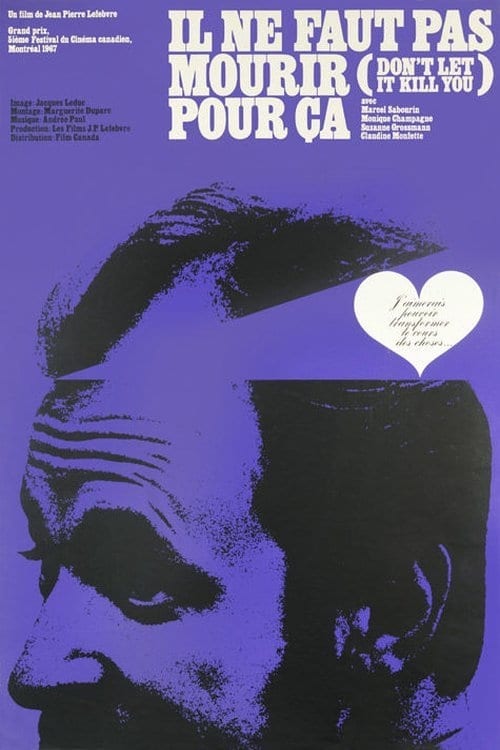
1967
Director
Jean Pierre Lefebvre
Runtime
75 minutes
Average Rating
No ratings yetNew Showbiz Analysis
Jean Pierre Lefebvre’s work challenges conventional social structures through an intellectual, existentialist lens. Despite the demographic homogeneity of 1967 Quebec, the film avoids typical hero clichés by removing the male protagonist’s traditional ability to act. Female characters are positioned as the main drivers of the plot, subtly subverting gender hierarchies. However, the film lacks explicit LGBTQ+ representation and racial diversity, reflecting the limitations of its time period. Ultimately, the film emphasizes psychological complexity and the deconstruction of stable social roles over mainstream commercial clichés.
Category Breakdown
The film centers on the interactions between a man and three women, without showing any queer relationships or non-cisgender identities.
The story challenges traditional masculinity by depicting an inactive, forgetful male character. Three women take the lead, driving the plot forward and bringing about changes.
The film reflects the homogeneous demographics of 1967 Quebec, with no visible signs of racial diversity or multi-layered casting.
The movie explores existentialist themes and secular ideas, focusing on personal morality and the breakdown of traditional roles rather than institutional religion.
There are no characters in the film dealing with physical disabilities, neurodivergence, or mental health issues.
Present on Screen
Limited or Absent
Official Synopsis
A 30-year old man is forced out of his inert and absent-minded existence when it's complicated by the three women in his life.
1983

1977
1973

1962
1984
1970

1980
1966
No reviews yet. Be the first to share your thoughts on this movie!
Use the rating form above to leave a star rating and optional review.