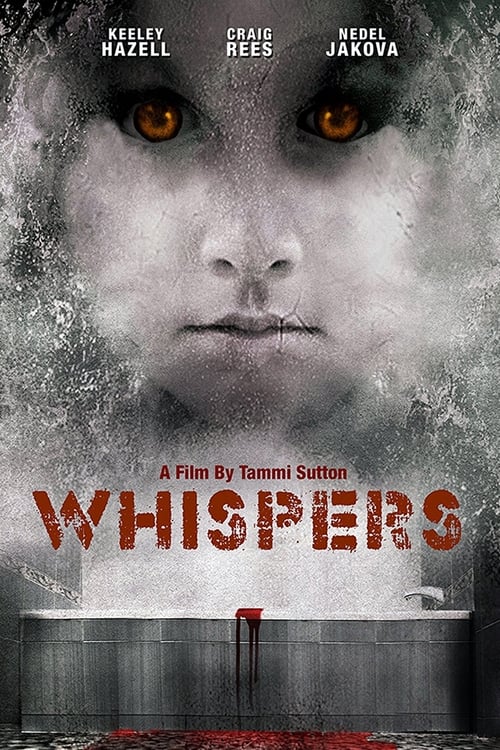
Whispers
2015
No user ratings available yet
Representation score: 0.2 out of 10
Representation Score
Limited
2013
RDirector
Richard Schenkman
Runtime
86 minutes
Average Rating
No ratings yetNew Showbiz Analysis
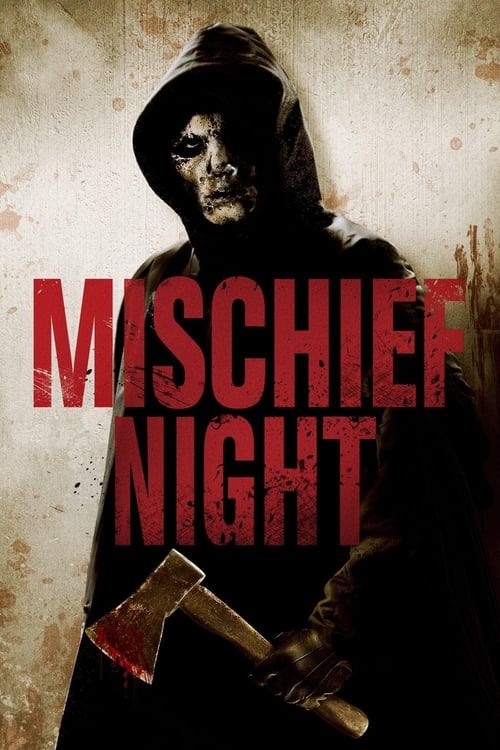
Mischief Night is a conventional slasher film that prioritizes suspense and genre clichés over complex social identities. The narrative centers on survival, limiting its ability to explore diverse social issues. The film’s main contribution to diversity is the central role of a protagonist with a sensory disability. However, this element serves more as a tool for tension than a deep exploration of accessibility or neurodivergence. Overall, the film adheres to established demographic expectations for the horror genre, lacking the intentionality needed to challenge social hierarchies or provide diverse representation.
Category Breakdown
There are no identifiable LGBTQ+ characters or narratives in the film. It follows typical genre conventions without exploring queer themes or non-straight relationships.
Emily Walton plays the traditional 'final girl' role in horror films. Her role focuses on survival rather than challenging traditional gender roles or power structures.
The cast reflects a typical suburban demographic. There is no evidence of diverse ethnic representation or efforts to challenge Anglo-centric norms.
The story uses seasonal mischief as a genre convention. It frames adolescent behavior through tradition without critiquing Western institutions or organized religion.
The protagonist's psychosomatic blindness is a key plot device. While notable, the disability is primarily used to heighten cinematic tension rather than explore deeper issues.
Present on Screen
Limited or Absent
Official Synopsis
Young Emily Walton, who has suffered from psychosomatic blindness ever since the car accident that took her mother's life, must summon every instinct at her disposal to protect herself and her loved ones from an intruder.
2015
2011

2024

2014
2018
2000

2002
2007
No reviews yet. Be the first to share your thoughts on this movie!
Use the rating form above to leave a star rating and optional review.