Dark Summer
2015
No user ratings available yet
Representation score: 3.4 out of 10
Representation Score
Good
2018
Director
Johnny Mitchell
Runtime
82 minutes
Average Rating
No ratings yetNew Showbiz Analysis
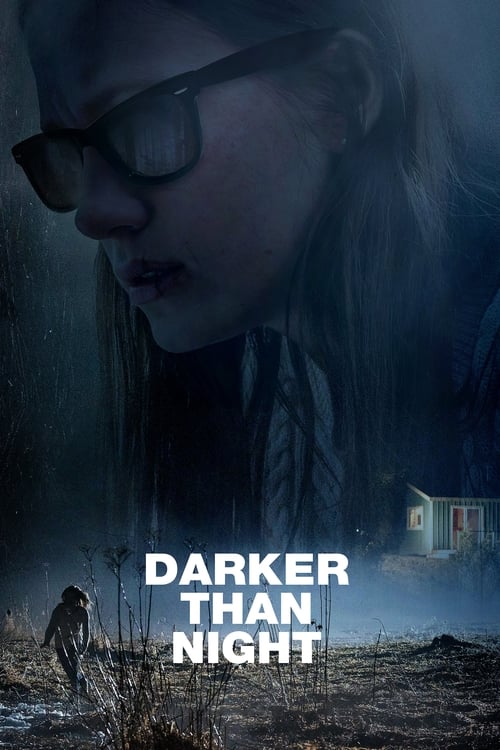
Darker than Night stands out by focusing on a protagonist with a visual impairment. By making blindness central to the survival thriller, the film explores active ability to act through impairment. The film also offers strong gender representation by placing a woman in a position of survival rather than mere victimhood. Including actors like Bea Santos and Melinda Shankar adds layers of diversity to the cast. However, the film lacks depth in other areas. There's no clear evidence of LGBTQ+ narratives or systemic cultural critiques, keeping the production within standard genre boundaries.
Category Breakdown
The film doesn't provide any direct clues about the sexual orientation or gender identity of its characters. While there's potential for queer subtext between two female friends, the story focuses mainly on survival and thriller elements.
The story revolves around Sloan Carter, a female protagonist whose survival drives the plot. By transforming her from a vulnerable state to an active survivor, the film challenges traditional gendered helplessness and the damsel in distress stereotype.
The cast includes actors like Bea Santos and Melinda Shankar, showing racial diversity. However, it's unclear if the narrative actively addresses racial hierarchies or if the casting is just color-blind.
The setting uses typical Western clichés of isolation and domesticity in a country getaway. There's no indication of systemic critiques or deconstructions of Western institutions in the narrative structure.
The plot centers on a protagonist recently blinded, making blindness a key part of the character's experience and survival. The film integrates disability into the main narrative driver.
Present on Screen
Limited or Absent
Official Synopsis
Sloan Carter is a young girl who has recently been blinded. Her father leaves for the weekend and her two best friends, returning home from University, keep her company. A protege of her father's, passing through town, also spends the night. The peaceful weekend is interrupted by a shadowy threat and the safe country getaway turns into a fight for survival.
2015
2020
2015
2018
2017

2019
2021

2020
No reviews yet. Be the first to share your thoughts on this movie!
Use the rating form above to leave a star rating and optional review.