The Room
2006
No user ratings available yet
Representation score: 6.3 out of 10
Representation Score
Fair
2007
RDirector
J. A. Bayona
Runtime
105 minutes
Average Rating
No ratings yetNew Showbiz Analysis
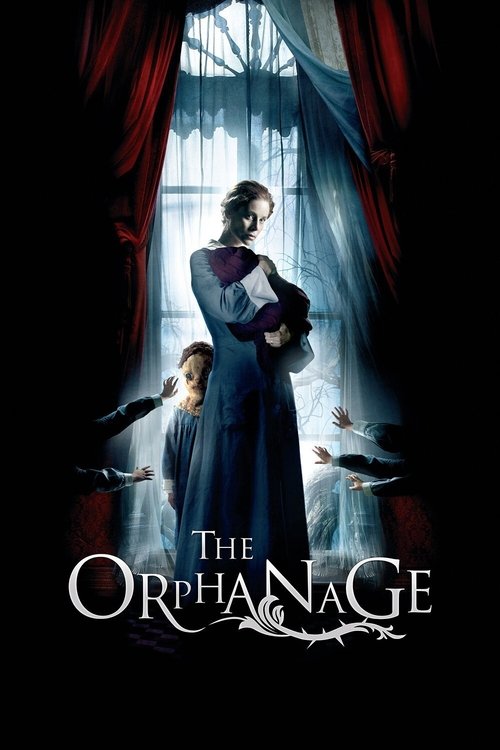
The Orphanage is a character-driven psychological horror that finds strength in its exploration of a woman's resilience and the complexities of disability. By centering the narrative on a woman's determination and her commitment to caring for children with special needs, the film moves beyond traditional domestic stories. However, the film remains limited by its narrow demographic scope. The cast is culturally and racially homogeneous, reflecting a specific European context without broader diversity. The absence of LGBTQ+ identities further confines the film to a traditional social framework. Ultimately, while the film offers meaningful depth regarding gender and neurodivergence, its lack of racial and sexual diversity keeps it within a conventional cinematic structure.
Category Breakdown
The film focuses entirely on a family unit where everyone is assumed to be straight and cisgender. There are no depictions of same-sex relationships or non-traditional gender identities.
Laura serves as the main driver of the story, showing resilience as she investigates. The story delves into the psychological complexities of motherhood and grief.
As a localized Spanish production, the cast is predominantly of a single cultural background. It lacks multicultural casting or intentional blending of diverse identities.
The film avoids organized religion, framing supernatural elements through folklore and personal trauma. It portrays the family unit through struggle rather than idealization.
The plot revolves around the protagonist's goal to reopen the home for children with specific needs. This places neurodivergent experiences at the story's center.
Present on Screen
Limited or Absent
Official Synopsis
A woman brings her family back to her childhood home, which used to be an orphanage, intent on reopening it. Before long, her son starts to communicate with a new invisible friend.
2006
2002
2015
2006
2020

2012
2009
2013
No reviews yet. Be the first to share your thoughts on this movie!
Use the rating form above to leave a star rating and optional review.