
Ismail Yassine in the House of Ghosts
1952
No user ratings available yet
Representation score: 1.3 out of 10
Representation Score
Minimal
1917
PassedDirector
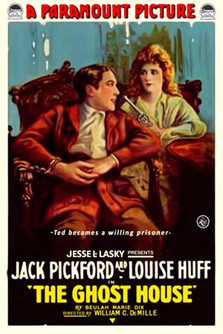
William C. deMille
Runtime
50 minutes
Average Rating
No ratings yetNew Showbiz Analysis
The Ghost House is a conventional silent-era comedy-thriller that operates strictly within the social norms of its time. While the female protagonists show a basic level of independence, the film lacks depth in reflecting multiple aspects of identity. The narrative structure relies on established clichés, such as the deceptive gardener and fraternity rites, rather than challenging social hierarchies. It functions as a standard genre piece without addressing systemic power dynamics. Ultimately, the film lacks representation for LGBTQ+ identities, diverse ethnicities, or disability, making it a product of its era's homogeneous casting and storytelling standards.
Category Breakdown
The film does not include any characters with LGBTQ+ identities or non-cisgender identities. The story follows traditional early 20th-century roles without questioning the assumption that everyone is straight or cisgender.
Lois and Alice Atwell show a strong presence by choosing to live in their family home. However, the film upholds traditional gender roles through male-dominated fraternity rituals.
The cast seems to reflect the homogeneous, Anglo-Saxon casting standards typical of 1917. There is no indication of a racially diverse cast.
The story relies on Western social traditions, such as fraternity initiations and classic deception clichés. It does not question the power structures of Western institutions.
There is no mention of characters with visible or invisible disabilities. Such identities are not used as plot devices within the story.
Present on Screen
Limited or Absent
Official Synopsis
The old Atwell home is said to be haunted, and Jeremy Foster, the gardener--who is actually the head of a band of thieves that use the house for a hideout--does his best to keep the superstition alive. Despite the rumors, impoverished sisters Lois and Alice Atwell decide to move into the empty family home. They take possession the same night that Ted Rawson is ordered to explore the place as an initiation rite by his fraternity.
1952
1932
1921
1966
1961
1944

1999
2003
No reviews yet. Be the first to share your thoughts on this movie!
Use the rating form above to leave a star rating and optional review.