
Hart's War
2002
No user ratings available yet
Representation score: 2.1 out of 10

Representation Score
Minimal
2014
PG-13Director
Angelina Jolie
Runtime
137 minutes
Average Rating
No ratings yetNew Showbiz Analysis
Unbroken is a traditional biographical drama that prioritizes historical realism over challenging social hierarchies. The film adheres to the archetypes of the 1940s, focusing on a singular, traditional demographic through a lens of individual heroism. The narrative structure reinforces conventional gender and racial hierarchies. While it captures the geopolitical tensions of the Pacific Theater, it does so through a homogeneous perspective that centers on the white American experience. Ultimately, the film celebrates the individual spirit within a Western military context. It does not seek to challenge cultural norms, instead reinforcing the established social structures of its historical setting.
Category Breakdown
The film follows a strictly heterosexual and cisgender structure, with no depictions of LGBTQ+ identities or same-sex relationships. It focuses on traditional romantic motivations.
The narrative emphasizes male camaraderie and endurance, while female characters remain on the periphery, serving mainly as domestic motivators or romantic interests.
The story centers on a white American protagonist and his cohort, presenting Japanese characters through a traditional adversarial lens common to mid-century war cinema.
The film uses Western narrative clichés, celebrating individual resilience and patriotism. It maintains moral clarity through a clear distinction between the protagonists and their captors.
Physical and psychological trauma are depicted as obstacles for the protagonist to overcome. The film lacks nuanced explorations of neurodivergence or lived disability experiences.
Present on Screen
Limited or Absent
Official Synopsis
A chronicle of the life of Louis Zamperini, an Olympic runner who was taken prisoner by Japanese forces during World War II.
2002
2009

2007
1965
2016
1987

2006
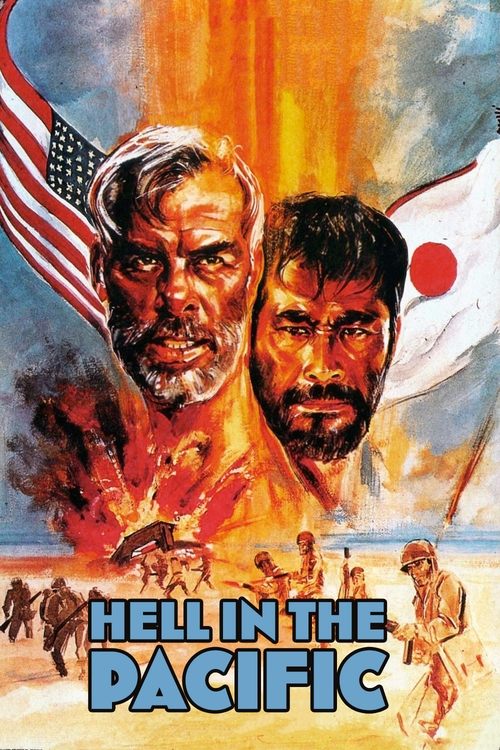
1968
No reviews yet. Be the first to share your thoughts on this movie!
Use the rating form above to leave a star rating and optional review.