
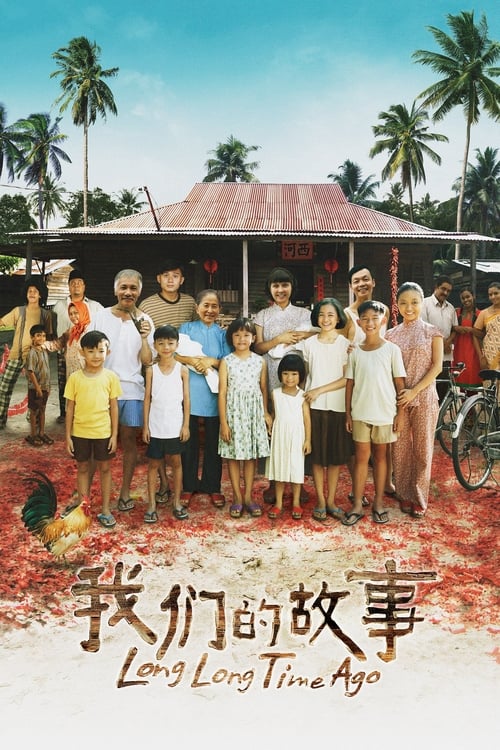
Long Long Time Ago 2
2016
No user ratings available yet
Representation score: 5.4 out of 10
Representation Score
Limited
2016
Director
Jack Neo
Runtime
107 minutes
Average Rating
No ratings yetNew Showbiz Analysis
Jack Neo’s period drama prioritizes historical authenticity and communal sentiment over the disruption of social hierarchies. The film captures the specific demographic realities of 1960s Singapore, focusing on the Chinese working class during a period of national transition. While the narrative offers depth through the lens of maternal struggle and economic hardship, it operates within a conventional framework. It emphasizes the endurance of traditional structures rather than challenging them through diverse representation. Ultimately, the film serves as a nostalgic reflection of a specific era, favoring the preservation of historical social norms over modern inclusive storytelling.
Category Breakdown
The film does not include any visible LGBTQ+ characters or narratives. It focuses on traditional romantic and familial relationships typical of the 1960s setting.
Women are shown through the lens of maternal sacrifice and domestic endurance. While Zhao Di's struggles are central, they reinforce rather than challenge patriarchal hierarchies.
The cast is primarily Chinese, reflecting the specific demographic of the 1960s Singaporean community. The film focuses on a localized, historically grounded ethnic experience.
The story explores post-colonial transitions and communal resilience. It remains anchored in the traditional religious and cultural customs of the Chinese community.
There is no significant or intentional depiction of physical, sensory, or neurodivergent disabilities. Disability does not serve as a central plot device.
Present on Screen
Limited or Absent
Official Synopsis
The story spans from 1965 to the early 1970s. Heavily pregnant Zhao Di, the unwanted second wife of an older man, was chased out by her husband's family and forced to return to her own family. She gave birth to a pair of twins, Shun Fatt and Su-mei. As Su-mei had two moles on her face, which was said to be bad luck, she decided to give her up due to the pressure of wanting to build a better life for the rest of her family.
2016
2013
2011

2019

2018
1997
2007

2017
No reviews yet. Be the first to share your thoughts on this movie!
Use the rating form above to leave a star rating and optional review.