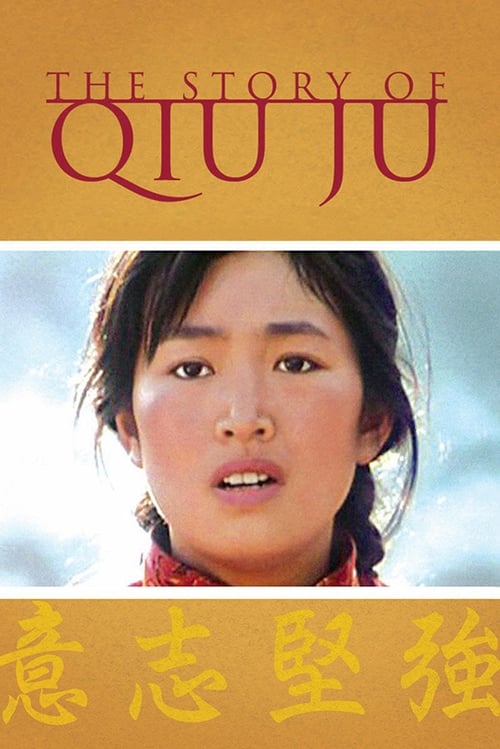
The Story of Qiu Ju
1992
No user ratings available yet
Representation score: 4.3 out of 10

Representation Score
Good
2016
Not RatedDirector
Feng Xiaogang
Runtime
128 minutes
Average Rating
No ratings yetNew Showbiz Analysis
Feng Xiaogang’s film is a sophisticated deconstruction of institutional truth that prioritizes systemic critique over traditional moralizing. It succeeds by presenting a female protagonist who actively navigates and challenges oppressive bureaucratic landscapes. However, the narrative remains limited by its lack of multi-layered diversity. The story operates within a narrow straight-centered and culturally homogeneous framework, offering little representation for LGBTQ+ identities or diverse racial backgrounds. Ultimately, the film's strength lies in its complex portrayal of ability to act. It refuses to provide a singular moral perspective, instead focusing on the friction between individual survival and rigid state authority.
Category Breakdown
The film focuses exclusively on heterosexual and cisgender relationships, with no representation of LGBTQ+ characters or non-cisgender identities.
Li Xuelian challenges traditional gender roles by taking an active role in driving the story. She navigates a patriarchal system through persistence and resilience.
The film depicts a culturally homogeneous society, but it offers deep insights into the social dynamics between rural and urban communities during migration.
The film effectively critiques institutional power and deconstructs bureaucratic efficiency. It examines the tension between traditional folk practices and modern state authority.
There is no prominent focus on physical or neurodivergent disabilities. The psychological impact of legal battles is presented as a universal experience rather than a specific exploration of disability.
Present on Screen
Limited or Absent
Official Synopsis
Li Xuelian, a woman from the countryside is falsely accused by her husband of having an affair. To defend herself, Li moves from her small town to the big city until she reached the capital.
1992

1994

1999

2024

2025
1995

2024

1956
No reviews yet. Be the first to share your thoughts on this movie!
Use the rating form above to leave a star rating and optional review.