The Cleaner
2015
No user ratings available yet
Representation score: 5.4 out of 10
Representation Score
Limited
2019
Director
Serhat Karaaslan
Runtime
96 minutes
Average Rating
No ratings yetNew Showbiz Analysis
Passed by Censor is a psychological study of obsession rather than a broad exploration of diverse identities. It succeeds in offering a non-Western perspective by grounding its narrative in the specific cultural context of Istanbul. The film's strength lies in its critique of institutional authority and its departure from Western-centric storytelling. It uses the prison setting to examine the instability of truth and the subversion of professional duty. However, the film lacks representation for LGBTQ+ individuals and people with disabilities. The female lead functions more as a narrative object than an active agent, limiting the depth of gendered ability to act.
Category Breakdown
The film does not include explicit LGBTQ+ characters or stories about non-straight identities. The main conflict is presented through a traditional, obsessive heterosexual lens.
Selma mainly serves as a catalyst for the male protagonist's emotional journey, functioning as an object of gaze. However, the film challenges the stability of traditional masculinity by showing the protagonist as emotionally unstable.
Set in Istanbul with a Turkish cast, the film offers a non-Western perspective. It departs from Hollywood-centric homogeneity through its specific geographic and cultural context.
The story explores the tension between personal desires and institutional authority. It critiques systemic control by focusing on a character who defies his state-sanctioned role.
There is no evidence of characters with visible or invisible disabilities. Neurodivergence is not used as a central narrative device in this film.
Present on Screen
Limited or Absent
Official Synopsis
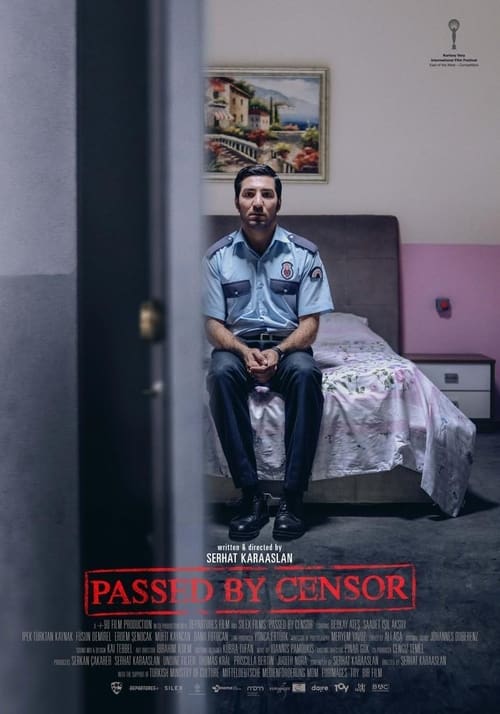
In the heart of Istanbul's prison, Zakir controls the letters prisoners receive. His average day is spent between the censorship office, his colleagues and his evening writing class. For a writing assignment, he steals a photo from one of the letters, in which appears Selma, an inmate's wife. More than an inspiration, she becomes an obsession for Zakir. He observes her, makes up stories, and imagines the worst to the extent that he puts himself at great risk.
2015
1989

2018
2002
2013

2006
2012
2017
No reviews yet. Be the first to share your thoughts on this movie!
Use the rating form above to leave a star rating and optional review.