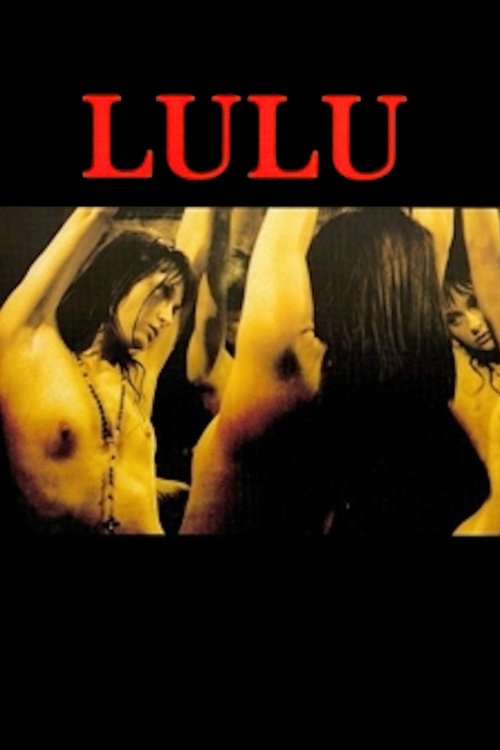
Lulu
2005
No user ratings available yet
Representation score: 2.9 out of 10
Representation Score
Fair
2013
Director
Tayfun Pirselimoğlu
Runtime
125 minutes
Average Rating
No ratings yetNew Showbiz Analysis
Tayfun Pirselimoğlu’s film is a specialized work of postmodern cinema that prioritizes philosophical questions over demographic diversity. It serves as a localized character study, focusing on the inner worlds of its characters rather than broad social representation. While the film lacks traditional inclusiveness regarding race, gender roles, or LGBTQ+ identities, it offers a sophisticated deconstruction of personal identity. It replaces conventional moral frameworks with a dream-like, subjective reality. Ultimately, the film's strength lies in its systematic questioning of stable identity, even though it remains limited in its demographic scope.
Category Breakdown
The film focuses on a traditional romantic relationship between Nihat and Ayşe, without featuring LGBTQ+ characters or challenging the assumption that everyone is straight. It operates within a conventional framework of romantic tension.
Ayşe challenges traditional gender roles through her assertive actions, but the narrative remains centered on the male protagonist's existential struggle. The film examines the vulnerability of the male psyche without overturning traditional male dominance.
Set within a specific Turkish cultural context, the film features a cast that reflects a single cultural background. It does not include actors from diverse ethnic backgrounds or explore a wide range of ethnicities.
The narrative emphasizes metaphysical themes over institutional religion or rational thought. It questions traditional social structures through a focus on existential ambiguity.
The protagonist's psychological isolation is portrayed through an existential lens rather than as a defined disability. No characters with disabilities are shown as having real influence or specific characterization.
Present on Screen
Limited or Absent
Official Synopsis
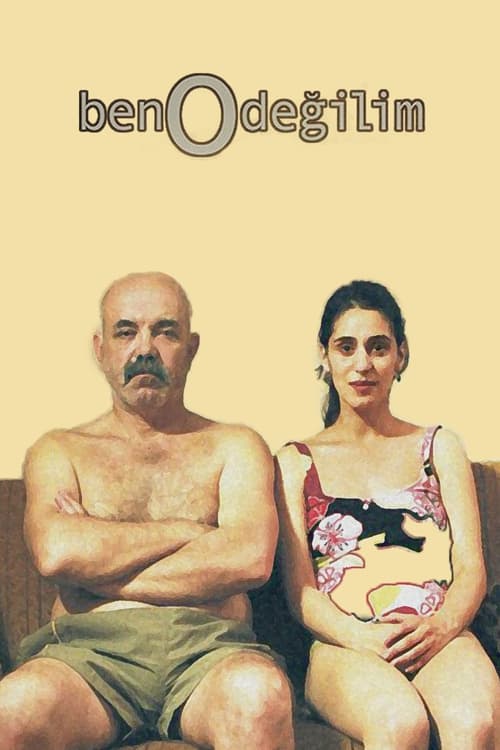
Nihat, an introverted employee in a hospital cafeteria, is confused by Ayşe, a mysterious woman who just started working there as a dishwasher. Her obvious seductive approaches embarrass Nihat and make him nervous at the same time. Despite the rumors about her husband having been sentenced to many years in jail, Nihat reluctantly accepts Ayşe’s invitation to dinner at her house. This is the beginning of a strange and dangerous liaison. When Nihat discovers a picture of the woman’s husband and realizes that he looks astoundingly like him, the relation becomes even more toxic.
2005

2017

2017

2005

2010
1999
1988

2014
No reviews yet. Be the first to share your thoughts on this movie!
Use the rating form above to leave a star rating and optional review.