
Wild Women
1951
No user ratings available yet
Representation score: 1.1 out of 10
Representation Score
Minimal
1952
ApprovedDirector
George P. Breakston, C. Ray Stahl
Runtime
67 minutes
Average Rating
No ratings yetNew Showbiz Analysis
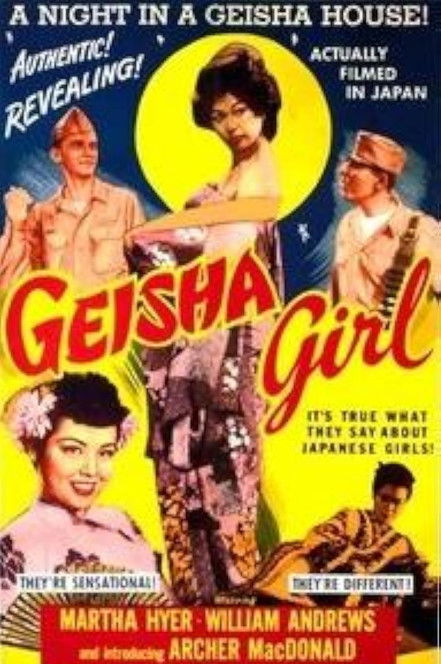
Geisha Girl is a product of its time, emphasizing traditional adventure clichés and Western-centric storytelling. The film's structure reflects the social norms and hierarchies common to 1950s American cinema. The narrative centers on American soldiers navigating a foreign land, limiting the roles of non-Western characters. While the setting is diverse, the portrayal leans on cultural stereotypes rather than nuanced representations. Ultimately, the film upholds conventional gender and social structures, offering little challenge to the mainstream commercial standards of the period.
Category Breakdown
The film does not include any characters with non-straight or non-cisgender identities, nor does it show any same-sex relationships. It follows the traditional heterosexual norms typical of 1950s adventure comedies.
Women appear as a flight attendant and geisha girls, possibly serving as decorative elements or romantic interests. However, the narrative remains focused on masculine-led adventures.
The film's Tokyo setting offers a mix of ethnicities, but it likely relies on stereotypes associated with Orientalism. The representation favors Western-centric views over giving Japanese characters more substantial roles.
The story highlights the experiences of American servicemen and emphasizes Western perspectives. It lacks secular or anti-Western themes, reflecting the geopolitical context of the early 1950s.
There are no characters with visible or invisible disabilities mentioned in the narrative.
Present on Screen
Limited or Absent
Official Synopsis
Two American G.I.s visiting Tokyo find themselves mixed up with espionage, a pretty flight attendant, a mad scientist, geisha girls, and a goofy magician-hypnotist and his white rabbits.
1951
1964
1954
2006
1967
1971
1958

1953
No reviews yet. Be the first to share your thoughts on this movie!
Use the rating form above to leave a star rating and optional review.