Love Stinks
1999
No user ratings available yet
Diversity score: 3.2 out of 10
2004
RDirector
Vic Sarin
Runtime
102 minutes
Average Rating
No ratings yetSynopsis
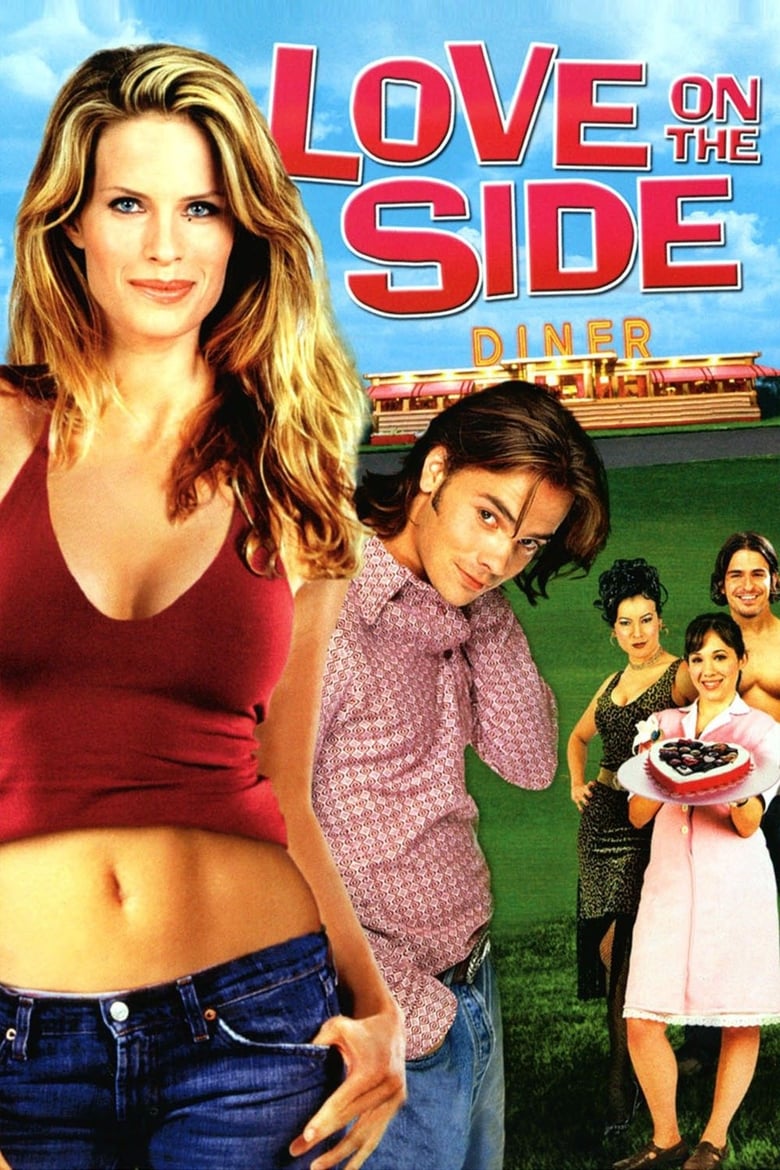
Small town waitress Eve Stuckley is stuck. She has spent years pining for testosterone saturate local hunk Jeff Sweeney and yearns to escape from the Hog-Chow Diner she runs. Just when Eve finally decides to pursue her man, drop dead gorgeous Linda Avery blows into town on the hottest day of the year. The heat wave is nothing in comparison with the heat that's on as Jeff and Eve's dimwitted brother Chuck decide to face off for Linda's affections. It's a priceless contest: Linda wants Eve. Eve's confidante Alma Kerns is a sex expert trained by mortician beau Red Bishop. She encourages Eve to use Linda's interest in her to win Jeff's affection but the situation becomes even more complicated when Linda advises Jeff she prefers Eve. Now determined to "save" Eve, the narcissistically injured Jeff elicits Chuck's aid but Chuck, thinking it's part of the game, refuses to believe him. Ultimately, Jeff and Linda square off over Eve's future...
Overall Score
Limited
Category Breakdown
LGBTQ+ Representation
The film uses queer-coded tension to drive its central conflict. Linda’s expressed preference for Eve disrupts traditional heteronormative archetypes, though this interest often functions as a plot device to facilitate Eve's pursuit of a male lead.
Gender Representation
Linda acts as a catalyst for change rather than a passive prize, disrupting traditional hierarchies. However, the core conflict remains centered on male competition between Jeff and Chuck.
Racial & Ethnic Diversity
The narrative centers on a homogeneous small-town setting. There is no evidence of significant racial blending or non-Anglo-Saxon majority casting within the social environment.
Religious & Cultural Diversity
The story adheres to conventional Western romantic comedy structures. It focuses on individual romantic fulfillment within a traditional small-town social framework rather than systemic critique.
Disability Representation
There is no evidence regarding the portrayal of physical or neurodivergent disabilities in this film.
Strengths
Areas for Improvement
AI Analysis
Love on the Side operates primarily within the conventional romantic comedy frameworks of the early 2000s. While it introduces interesting subtextual layers through Linda’s interest in Eve, these elements appear to serve comedic momentum rather than a broader systemic critique. The film maintains a focus on individual romantic agency within a standard Western social structure. This results in moderate character complexity but limited intersectional breadth across the broader cast. Ultimately, the narrative relies on traditional tropes, such as the 'testosterone-saturated' male competition, which limits its overall diversity impact.
1999
1996
2007
2005
2000
2005
2005
1996

2010
1991
1994
2006
No reviews yet. Be the first to share your thoughts on this movie!
Use the rating form above to leave a star rating and optional review.