Mum's List
2016
No user ratings available yet
Representation score: 6.0 out of 10
Representation Score
Fair
2011
Director
Andreas Dresen
Runtime
110 minutes
Average Rating
No ratings yetNew Showbiz Analysis
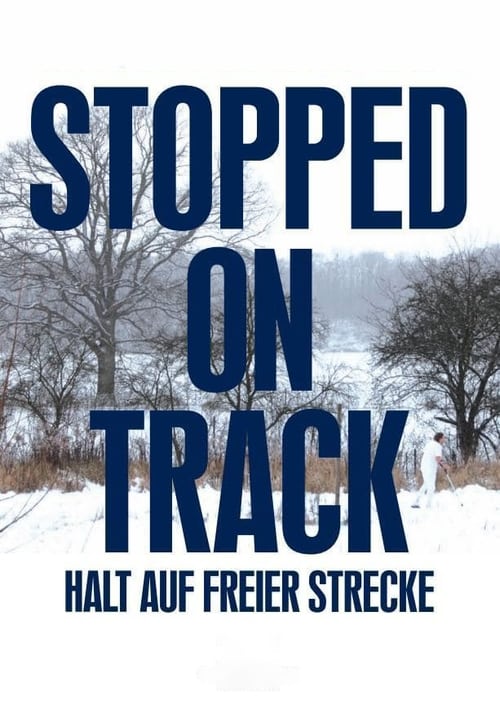
Stopped on Track is a study in social realism that prioritizes regional authenticity over diverse representation. By focusing on a specific demographic in Saxony, the film achieves a high degree of geographic and social accuracy, though this limits broader demographic diversity. The film excels in its nuanced exploration of medical crises and gendered ability to act. Instead of using illness merely as a plot device, it delves deeply into the psychological impact on a family unit with dignity and insight. Ultimately, the work is a focused portrait of human vulnerability. It prioritizes a realistic look at the suburban middle class, trading broad demographic representation for a concentrated, authentic perspective.
Category Breakdown
The story focuses on a heterosexual relationship between Frank and Simone. There are no explicit LGBTQ+ character arcs or non-binary identities present.
Simone is portrayed as an intellectually engaged family leader. The film avoids submissive stereotypes, giving the female lead significant influence during the domestic crisis.
The cast is primarily white and European, reflecting the film's setting in Saxony, Germany. It prioritizes regional authenticity over a broader range of demographics.
The narrative emphasizes secular realism and the fragility of middle-class stability. It avoids religious morality, focusing instead on the emotional truths of a family in crisis.
The plot centers on a terminal brain tumor, depicted with unflinching realism. It avoids melodrama, focusing instead on the loss of autonomy and dignity.
Present on Screen
Limited or Absent
Official Synopsis
Frank and Simone have fulfilled a dream and live with their two children in a row house in the suburbs. They are a happy couple, until the day Frank is diagnosed with an inoperable brain tumor. The family is suddenly confronted with death.
2016
2011
2014

2008
2014
2001
2003
2003
No reviews yet. Be the first to share your thoughts on this movie!
Use the rating form above to leave a star rating and optional review.