
Lunastus
1997
No user ratings available yet
Representation score: 4.2 out of 10

Representation Score
Minimal
1937
Director
Risto Orko
Runtime
106 minutes
Average Rating
No ratings yetNew Showbiz Analysis
This period drama reinforces the social and domestic hierarchies of its era through a traditional narrative. The plot is driven by male-centric conflicts regarding property, lineage, and vengeance, offering little room for diverse perspectives. The film highlights a preoccupation with class structures and established economic institutions, reflecting the cultural and demographic homogeneity of 1930s Finland. Ultimately, the work upholds conventional societal norms rather than challenging them, providing a narrow view of the social landscape of the time.
Category Breakdown
The film does not include any LGBTQ+ characters or narratives, sticking to the assumption that everyone is straight or cisgender. It follows traditional romantic pairings typical of 1937 Finnish cinema.
The story centers on men's control over the story and follows a patriarchal framework. Conflicts revolve around masculine vengeance and the struggle over paternal legacy and property.
The film reflects the demographic homogeneity of early 20th-century Southern Finland. There is no indication of a multi-ethnic or diverse cast.
Themes focus on land ownership, inheritance, and traditional morality. The narrative prioritizes the preservation of established social hierarchies and family legacies.
No characters with disabilities are portrayed who play a significant role in driving the story. While alcoholism is a plot catalyst, it is treated as a social vice rather than a disability.
Present on Screen
Limited or Absent
Official Synopsis
Set in Southern Finland between 1912 and 1936. Due to his father's drunkenness, high school student Jussi Raala has lost his inheritance, the manor house and the sawmill, to the gunman Lumia. Bitter and vengeful, Jussi decides to get the property back.
1997

1930
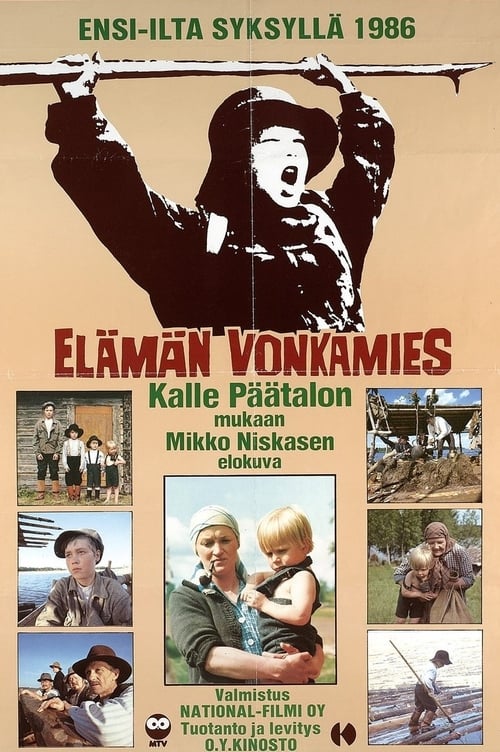
1986
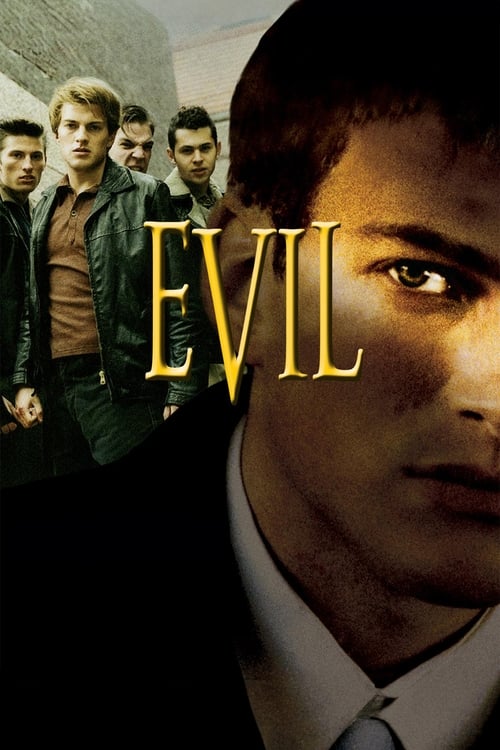
2003
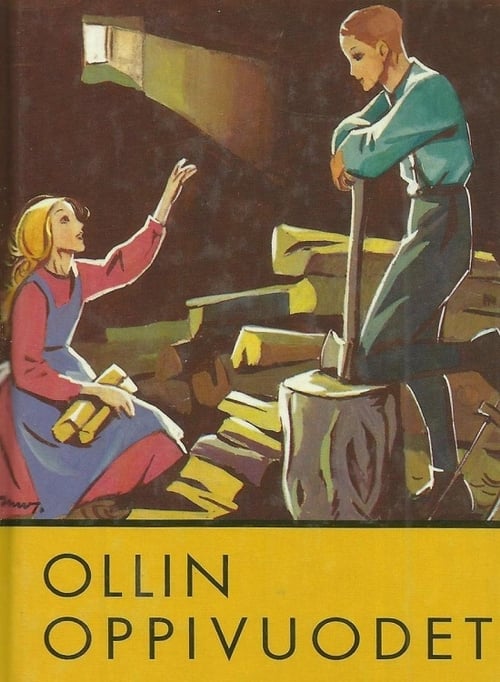
1920
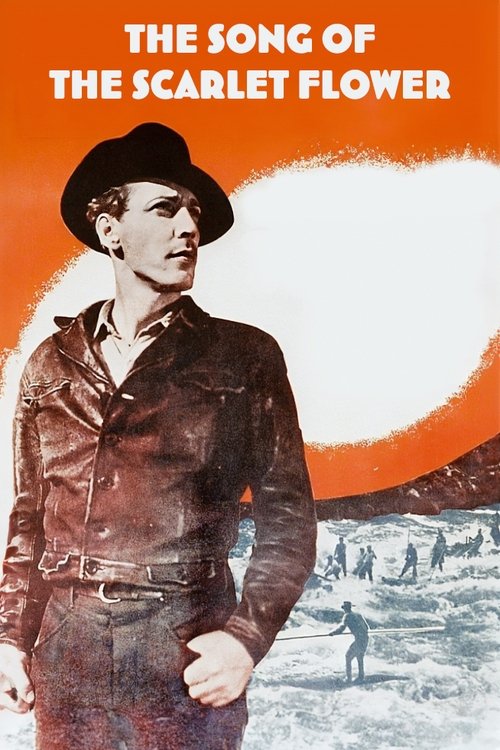
1938

2012
1937
No reviews yet. Be the first to share your thoughts on this movie!
Use the rating form above to leave a star rating and optional review.