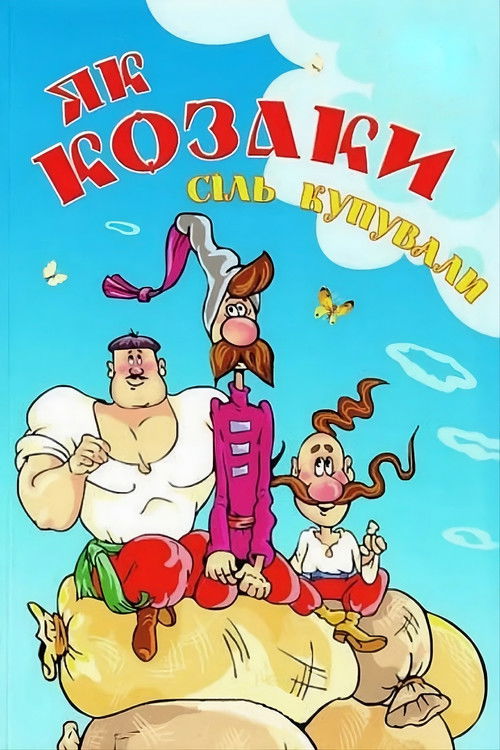
How the Cossacks Bought Salt
1975
No user ratings available yet
Representation score: 5.2 out of 10
Representation Score
Fair
1967
Director
Volodymyr Dakhno
Runtime
10 minutes
Average Rating
No ratings yetNew Showbiz Analysis
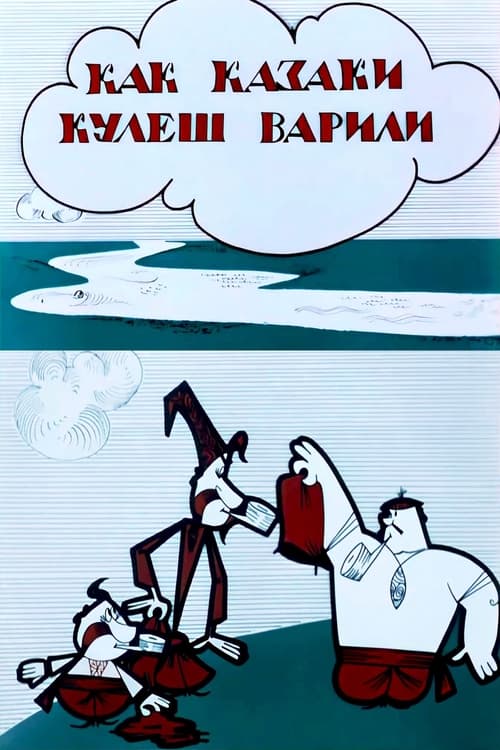
How the Cossacks Were Cooking Kulish is a culturally specific animation that leans heavily into Ukrainian folk traditions. It succeeds in providing a regional perspective that resists Western-centric storytelling by centering on local culinary practices and historical resistance. However, the film is limited by the social conventions of its time. The narrative is almost exclusively male-dominated, focusing on traditional masculine roles and fraternal camaraderie without the inclusion of female characters or diverse gender identities. Ultimately, the work serves as a strong vessel for ethnic storytelling and communal identity, even while remaining within the traditional gender and sexual orientation boundaries of its era.
Category Breakdown
The film focuses on the fraternal bonding of three male Cossacks. There is no evidence of non-traditional gender identities or same-sex relationships within the story.
The story centers on traditional masculine roles like warriors and providers. It lacks female characters and does not challenge established gender hierarchies.
The film celebrates Ukrainian cultural identity through folk history. It challenges Western-centric norms by centering Eastern European traditions and resistance against foreign invaders.
The narrative prioritizes regional folkways and the Cossack lifestyle. It emphasizes communal identity and local sovereignty through specific culinary and historical practices.
The available information provides no evidence regarding the portrayal of physical or neurodivergent disabilities.
Present on Screen
Limited or Absent
Official Synopsis
Three Cossacks preparing for a meal and gather to smoke their pipes as their meal cooks. Out of tobacco, one of them goes off to investigate smoke on the horizon. He is captured by foreign invaders and must be rescued by his friends.
1975
2014
1987
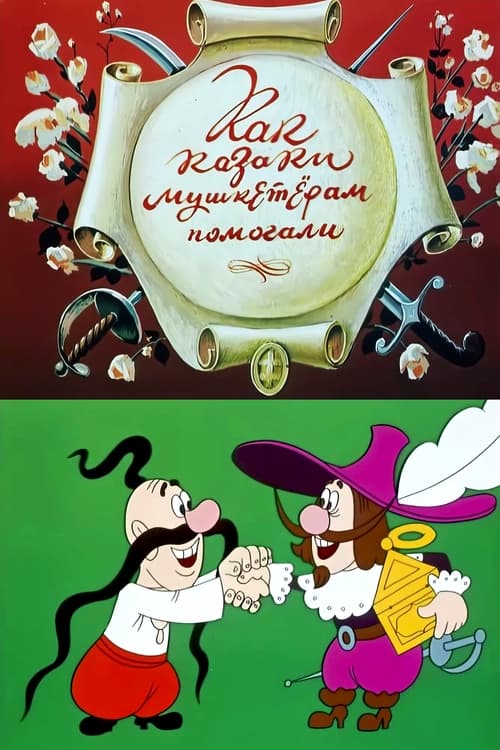
1979
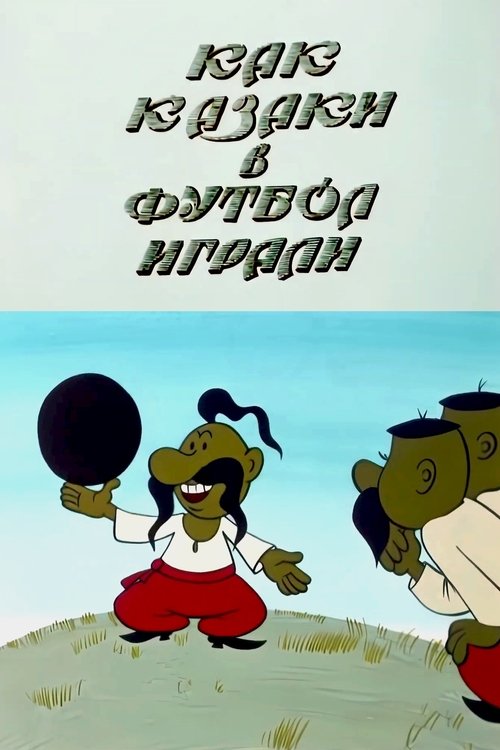
1970

1991
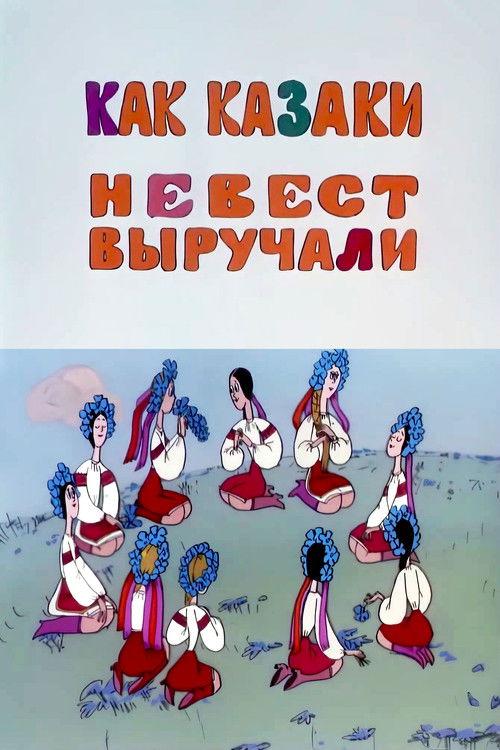
1973

2017
No reviews yet. Be the first to share your thoughts on this movie!
Use the rating form above to leave a star rating and optional review.