
Asterix & Obelix: God Save Britannia
2012
No user ratings available yet
Representation score: 3.5 out of 10
Representation Score
Limited
2014
Director
Louis Clichy
Runtime
85 minutes
Average Rating
No ratings yetNew Showbiz Analysis
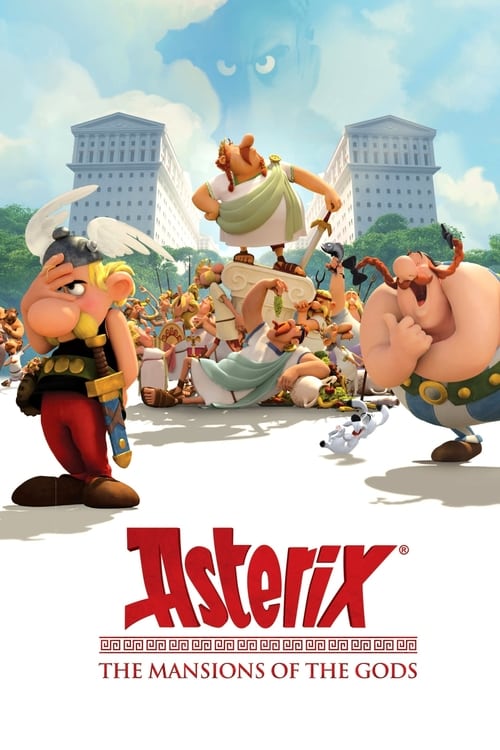
Asterix: The Mansions of the Gods explores colonial resistance and systemic corruption using the historical tension between Gallic tribes and the Roman Empire. It critiques institutional greed and predatory urban expansion through an anti-establishment lens. However, the film remains limited by conventional genre clichés, lacking diverse representation in gender and LGBTQ+ categories.
Category Breakdown
The film adheres to traditional structures that assume everyone is straight or cisgender. There are no representations of non-cisgender identities or same-sex relationships.
Male characters Asterix and Obelix dominate the narrative. Female characters play traditional roles and do not significantly challenge the established gender hierarchy.
The story uses the historical conflict between Gallic tribes and the Roman Empire to highlight the struggle for cultural preservation against imperial domination.
The plot critiques Roman bureaucracy and corrupt capitalist structures, portraying Roman developers as morally compromised elites driven by greed.
There are no significant depictions of visible or invisible disabilities in the narrative or character development.
Present on Screen
Limited or Absent
Official Synopsis
In order to wipe out the Gaulish village by any means necessary, Caesar plans to absorb the villagers into Roman culture by having an estate built next to the village to start a new Roman colony.
2012
1985
2008
1989
2012
2018

2021
1986
No reviews yet. Be the first to share your thoughts on this movie!
Use the rating form above to leave a star rating and optional review.