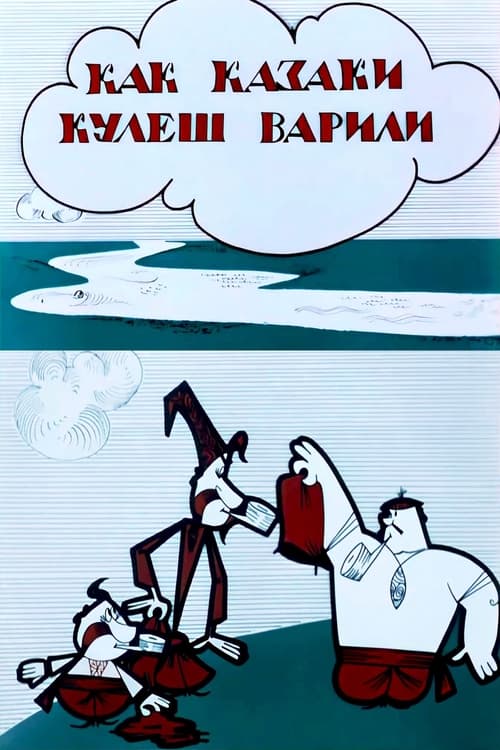
How the Cossacks Were Cooking Kulish
1967
No user ratings available yet
Diversity score: 5.6 out of 10
1975
Director
Volodymyr Dakhno
Runtime
9 minutes
Average Rating
No ratings yetSynopsis
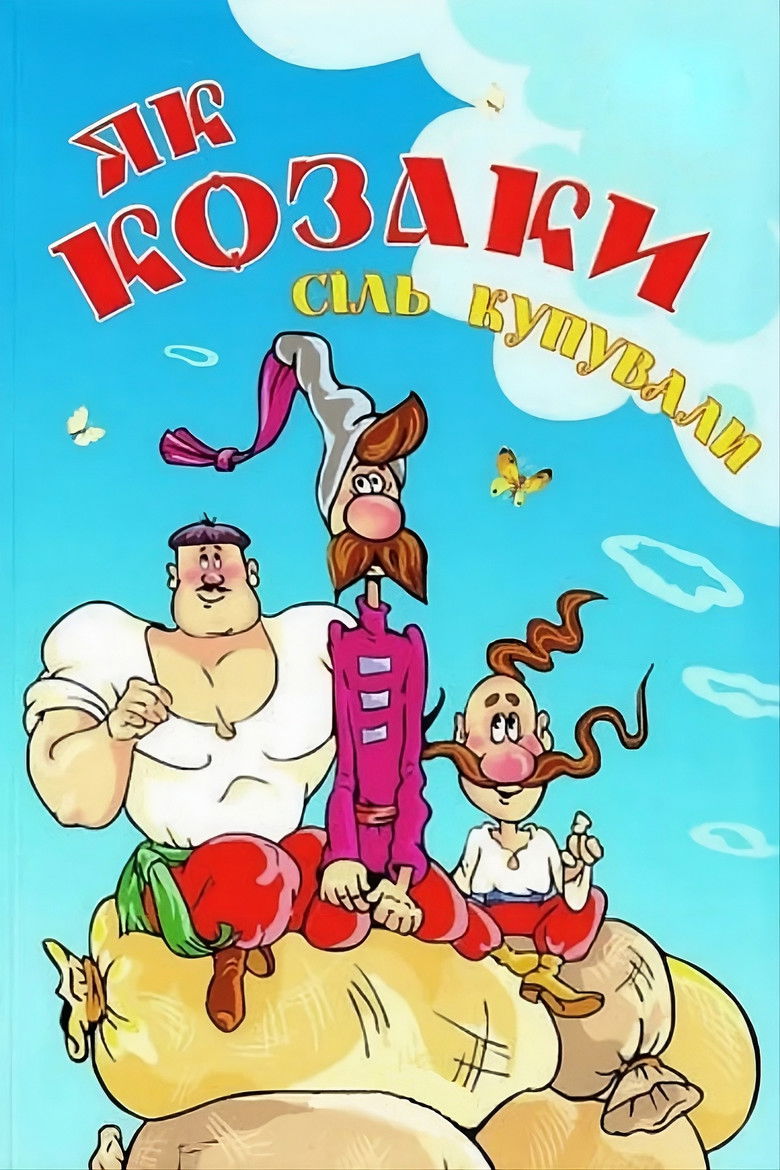
Cossacks cooked borscht, but ran out of salt, and what kind of taste without salt? They go to the fair, where they find out that the Chumaks who traded the salt, were robbed by the Evil Pan (local feudal lord). In this series, the Cossacks, fighting off the Evil Pan and his servants, try to bring the stolen salt to the bazaar in order to transfer it to the hands of the rightful owners - the Chumaks.
Overall Score
Fair
Category Breakdown
LGBTQ+ Representation
The narrative focuses on a communal mission involving a group of Cossacks. There is no explicit evidence of non-cisnormative identities or same-sex intimacy depicted in the plot.
Gender Representation
Agency is concentrated within a male collective of Cossacks. While the film avoids harmful misogyny, it adheres to traditional gendered roles common to 1970s folklore adventures.
Racial & Ethnic Diversity
The film serves as a cultural exploration of Ukrainian identity. By centering Cossack and Chumak traditions, it offers a meaningful departure from dominant Western cinematic norms.
Religious & Cultural Diversity
The story critiques feudal stability by framing the local lord as a systemic antagonist. It prioritizes communal agency and the reclamation of resources for the working class.
Disability Representation
There is no mention of characters with visible or invisible disabilities within the provided narrative.
Strengths
Areas for Improvement
AI Analysis
How the Cossacks Bought Salt is a culturally specific folk adventure that finds strength in its critique of oppressive feudal structures. By centering Ukrainian identity and the struggle of the Chumaks, the film provides a refreshing alternative to Western-centric storytelling. However, the film is limited by the traditional archetypes of its era. The narrative is heavily male-centric, focusing on a collective of Cossacks, which results in a lack of gender diversity and non-cisnormative representation. Ultimately, the film succeeds as a piece of cultural heritage that champions communal justice, even while operating within narrow gendered frameworks.
1967
1970
1987
1979
2016
2006
2015
2007
2011
1978
1973
No reviews yet. Be the first to share your thoughts on this movie!
Use the rating form above to leave a star rating and optional review.